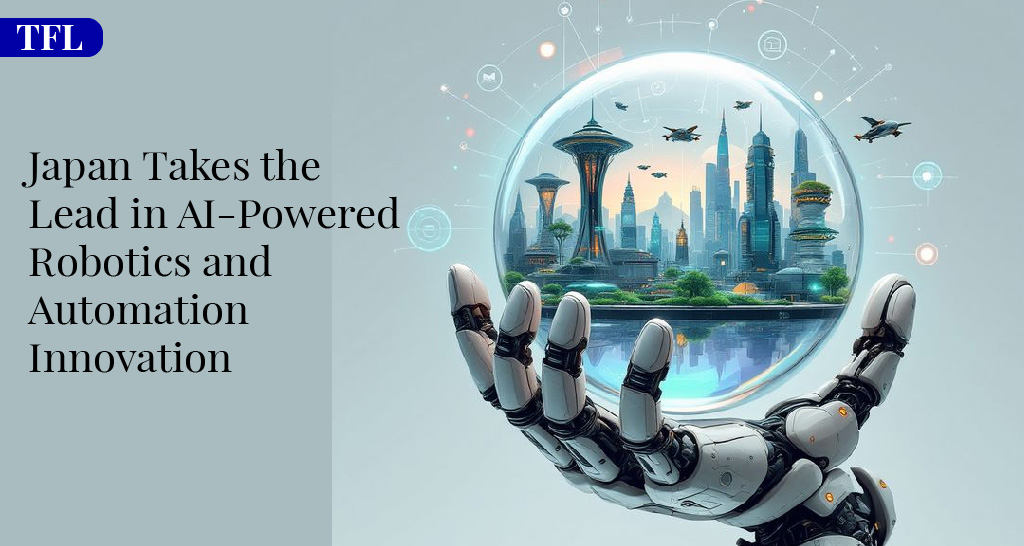
Japan is quickly stepping up its game in the world of artificial intelligence, especially when it comes to robotics and automation. This move is putting the country right at the forefront of the global shift towards smarter and more efficient machines. As businesses around the globe scramble to integrate AI-driven technologies, Japan’s deep-rooted knowledge in robotics, paired with new investments in AI, is transforming not just manufacturing and services, but also our daily lives.
The manufacturing sector is truly the backbone of the country’s leadership. Japanese companies are responsible for a large portion of the world’s industrial robots, and in recent years, we have witnessed a remarkable rise in AI-driven automation within factories. Automotive and electronics manufacturers are increasingly utilizing robots that come equipped with machine learning, computer vision, and predictive analytics. This technology helps enhance precision, minimize errors, and streamline production lines. These smart systems are now capable of adapting in real time, learning from data to boost their performance without needing constant oversight from humans.
Japan is taking a big leap beyond just factories by introducing AI-powered robotics into a variety of new fields. You can now spot service robots in healthcare, retail, logistics, and hospitality, all stepping in to help with labor shortages and the challenges of an aging population. In hospitals and care facilities, these AI-driven robots are lending a hand with patient monitoring, mobility assistance, and everyday tasks, which helps lighten the load for human staff. Meanwhile, in logistics and warehouses, autonomous robots are expertly navigating complex spaces, managing inventory, and boosting the efficiency of last-mile deliveries.
Japan’s robotics scene is buzzing with excitement thanks to innovative showcases and strong industry partnerships. Recently, major tech exhibitions in Tokyo have put the spotlight on robots that can perform advanced visual inspections, interact like humans, and make decisions on their own. What is impressive is the introduction of new AI training tools that enable even those without a tech background to teach robots new tasks quickly. This is speeding up the adoption of automation among small and mid-sized businesses that previously struggled with technology.
Government support is vital in driving this momentum forward. National strategies are focusing on integrating AI, advancing smart manufacturing, and pushing the boundaries of robotics research. Funding is being funneled into startups, universities, and collaborations between the public and private sectors. These initiatives are designed not just to enhance productivity but also to promote the ethical, safe, and human-centered use of AI.