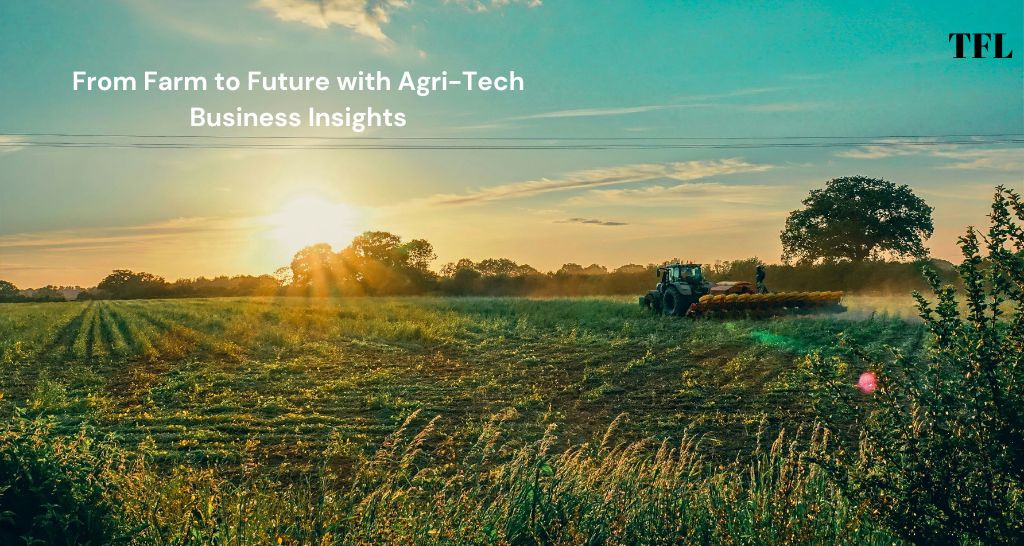
There is a modest but dramatic change happening in the world’s agricultural landscape. Data, automation, and digital innovation are changing what used to be mostly based on tradition and hard work. Agri-tech is at the center of this change. It is a dynamic mix of agriculture and technology that is changing how food is created, distributed, and eaten.
Farmers today do not just rely on their gut feelings or what their parents taught them. Agriculture is become smarter, more accurate, and more efficient thanks to the use of tools that use AI and the Internet of Things. Agricultural technology is making it possible to make decisions based on data at every stage of the farming cycle. For example, soil sensors that check moisture levels in real time and drones that check the health of crops over large areas.
One of the best things about this change is that it makes people more productive. Farmers may get the most out of their water, fertilisers, and pesticides by using precision farming techniques. This cuts down on waste and boosts productivity. This not only makes more money, but it also helps farming techniques that are good for the environment, which is important in a world where resources are running out and climate change is a problem.
Supply chains are being altered by agri-tech in ways that extend beyond the confines of the farm. Farmers are now able to sell their products directly to buyers through digital channels, eliminating the need for a middleman and ensuring that prices are equitable. Solutions that are based on blockchain technology are making things more transparent by enabling customers to trace the trajectory of their food from the farm to the table. As a result of this level of responsibility, people are beginning to trust one another, and smallholder farmers are being provided with extra opportunities to market their products.
There are a multitude of options available to businesses because of the advent of agri-tech. Vertical farming, automated irrigation systems, and predictive analytics are examples of some of the innovations that are receiving investments from both newly founded businesses and more established ones. Not only are these solutions solving issues related to food security, but they are also developing business models that are scalable and have an influence on a worldwide scale.
The transition from farm to future, on the other hand, is not without its share of obstacles. The lack of infrastructure, digital literacy, and access to technology continue to be significant impediments, particularly in places that are still in the process of developing. To close these gaps, it will be necessary for local communities, private businesses, and government agencies to work together.
The future of agriculture will depend on how well it can come up with new ideas and change with the times. The purpose of agricultural technology is not just to make things more efficient; it is also to build a food ecosystem that is strong, open to everyone, and long-lasting. As technology gets better, it is likely that agriculture will have more chances to grow and change, turning farms into places where new ideas and businesses can thrive.