

Sustainable Elegance: Cambodia’s Hotels Set New Standards in Responsible Tourism

Cambodia is stepping into a fresh chapter in hospitality, where luxury and sustainability are no longer at odds. With more global travelers focusing on responsible tourism, the country’s upscale hotels are transforming the definition of luxury. They are now blending exquisite experiences with a commitment to environmental care, cultural preservation, and empowering local communities.

There is a rising trend among luxury properties in Phnom Penh, Siem Reap, and along the coast to prioritize sustainability as a fundamental principle instead of just an add-on. These hotels are showcasing how eco-friendly practices like energy-efficient designs, responsible sourcing, and community-focused initiatives can elevate the guest experience, proving that being green does not mean sacrificing comfort or luxury.

In the heart of the capital, luxury hotels are stepping up their game by weaving advanced sustainability practices into their everyday routines. Many of these establishments are embracing strict environmental standards, with a keen focus on cutting down waste, conserving water, and harnessing renewable energy. Exciting initiatives like rooftop hydroponic farms, zero-waste kitchens, and eco-friendly building materials are becoming staples in the urban hospitality scene.

In Siem Reap, where Cambodia’s vibrant cultural heritage thrives, luxury resorts are seamlessly merging traditional design with modern sustainability. Nestled among lush rice fields, gardens, and stunning natural landscapes, these upscale properties embrace a holistic approach that features organic farming, composting systems, biodiversity conservation, and active engagement with the local community.

Waste reduction has emerged as a key aspect of sustainable luxury in Cambodia. Top resorts are stepping up by implementing rigorous recycling initiatives, banning single-use plastics, and turning organic waste into compost or biofuel. These circular practices not only show a dedication to long-term ecological balance but also boost operational efficiency.

This exciting new trend in socially responsible development marks a significant shift for Cambodia’s hospitality industry. Today’s luxury travelers are looking for more than just comfort; they want a sense of purpose. By blending elegance with sustainability, hotels in Cambodia are creating experiences that are not only lavish but also meaningful, sophisticated yet conscientious.

As this movement picks up speed, Cambodia is stepping up as a frontrunner in sustainable luxury tourism a place where top-notch hospitality meets a commitment to environmental integrity.
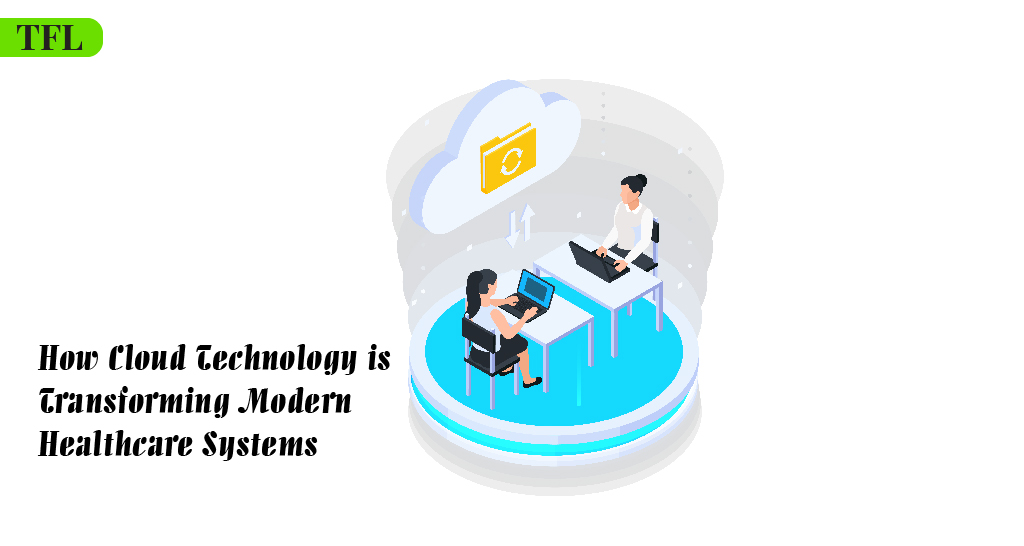
How Cloud Technology is Transforming Modern Healthcare Systems

In today’s fast-paced world, cloud technology is becoming a key player in transforming how healthcare operations function. More health systems are turning to cloud-based infrastructure to enhance everything from delivering clinical care to managing administrative tasks, and the effects are truly significant.

At the core of this transformation is a shift from outdated, on-premises systems to more scalable and flexible cloud platforms. Traditional infrastructure often found it tough to keep up with spikes in data, the growing demands of telehealth, and the need for quick innovation. By embracing cloud solutions, healthcare organizations can adjust their resources on the fly, roll out new services swiftly, and handle varying workloads with greater efficiency.

Operational efficiency is on the rise too. By adopting cloud-first strategies, healthcare providers can cut down on costly infrastructure and switch to a pay-as-you-go model. This shift has significant benefits for managing costs and enhancing flexibility. Plus, using cloud-based automation helps simplify administrative tasks like scheduling appointments, handling billing, and distributing lab results.

When it comes to clinical care, cloud platforms really shine by making it easier to coordinate everything. Patient data can be accessed, shared, and analysed seamlessly across different systems and locations. This is especially important for telehealth, remote monitoring, and initiatives aimed at improving population health. With the cloud as the backbone, hospitals and clinics can roll out patient-facing portals, home care platforms, and real-time monitoring on a large scale.

The cloud plays a crucial role in enhancing security and data governance. With healthcare being a prime target for cyber threats, cloud providers are pouring resources into strong encryption, advanced threat detection, automated updates, and compliance measures.

Moving to the cloud successfully comes with its own set of hurdles. Organizations need to carefully weave in their existing systems, help staff navigate the changes, agree on data governance policies, and select the right cloud deployment model whether that’s public, private, or hybrid tailored to their operational, clinical, and regulatory requirements.

In short, cloud technology has become essential in healthcare. It is not just an option anymore; it is a key player in modernizing operations, enhancing patient experiences, streamlining costs, and sparking innovation in care. Organizations that adopt it with care will find themselves in a stronger position for the future of healthcare delivery.