Uber Teams Up With May Mobility To Roll Out Driverless Taxi Service In Texas

Uber has forged a strategic partnership with May Mobility, a U.S.-based autonomous vehicle company, to deploy thousands of robotaxis across multiple U.S. cities. The rollout kicks off in Arlington, Texas, by the end of 2025, using Toyota Sienna hybrid minivans equipped with May’s patented Multi‑Policy Decision Making (MPDM) system, before transitioning from safety operators to fully driverless service.

Initially, Uber users in Arlington will be able to choose a May Mobility vehicle via the app. These rides will begin with onboard safety staff and eventually transition to autonomous operations. This move underlines the evolution of autonomous ride-hailing from experimental micro-transit to scalable real-world deployment.

What sets May Mobility apart is its AI-driven MPDM, which simulates thousands of possible road scenarios in real-time to navigate unpredictable environments safely—giving it an edge in handling “edge cases” on public streets. Beyond Texas, the partnership aims to bring driverless rides to additional U.S. markets starting in 2026.

For Uber, this collaboration enriches its autonomous strategy alongside existing partners like Waymo, WeRide, Volkswagen, and Wayve. Analysts describe this as a critical step toward realizing Uber’s ambition of 20,000 robotaxis by 2031, easing driver dependency and boosting margins.

Wall Street Sees Gains As Trade Deal Optimism Grows Amid Recession Concerns

In a surprising turn, Wall Street experienced notable gains this week, buoyed by growing optimism surrounding potential trade deals  even as underlying concerns about a looming recession continue to hover.

Major indices, including the Dow Jones, S&P 500, and Nasdaq, closed in positive territory, signaling investor confidence fueled by renewed negotiations between key global economic players. Reports suggest that talks have resumed on a more collaborative footing, giving markets the boost they needed after weeks of volatility.

This uptick comes at a time when many economic indicators from slowing GDP growth to persistent inflationary pressures  are painting a more cautious picture of the broader economic outlook. Analysts warn that while short-term gains are encouraging, the road ahead remains uncertain.

Nonetheless, traders appear to be betting on diplomacy over discord, with sectors like tech, energy, and manufacturing leading the charge. The renewed optimism has also eased tensions in global markets, with ripple effects seen across European and Asian exchanges.

For investors, this moment highlights the fine balance between market psychology and macroeconomic realities. While caution remains prudent, the markets are once again reminding us of their resilience and the power of positive sentiment in driving momentum.

As we move forward, all eyes remain on policy decisions, trade developments, and upcoming economic data that could further shape market direction.

What’s your take on the recent market movements? Are these gains sustainable, or are we headed for more turbulence?

Contract Law Essentials Every Entrepreneur Should Know

As an entrepreneur, contracts play a crucial role in business operations. Whether you are forming a partnership, employing staff, or obtaining financing, the legal agreements you establish can have long-lasting effects on your enterprise. Familiarity with the fundamentals of contract law is vital for safeguarding your interests, preventing expensive legal conflicts, and facilitating seamless business processes. Below are the essential components of contract law that every entrepreneur ought to understand.

What is a Contract?

A contract constitutes a legally enforceable agreement among two or more parties, establishing reciprocal obligations. It is subject to legal enforcement, which allows one party to pursue legal remedies if the other fails to meet their obligations. While contracts can be either written or verbal, written agreements are generally favored due to their clarity and the simplicity they offer in enforcement.

Essential Elements of a Contract

For a contract to be valid, it must contain the following essential elements:

Offer: A clear and unequivocal offer must be presented by one party.

Acceptance: The other party is required to accept the offer without any conditions.

Consideration: There should be an exchange of valuable items, which may include money, services, or goods.

Intention to Create Legal Relations: Both parties must have the intention for the agreement to produce legal effects.

Capacity: Both parties are required to possess the legal capacity to engage in a contract, which entails being of sound mind and of legal age.

Written vs. Oral Contracts

Although oral contracts hold validity, written contracts are typically more enforceable and offer clearer documentation of the agreed-upon terms. A written contract aids in avoiding misunderstandings and serves as a formal record of the agreement. Furthermore, it guarantees that both parties have a clear understanding of their responsibilities, deadlines, and expectations.

Breach of Contract

A breach takes place when one party does not meet their contractual obligations. Typical causes of a breach include failure to make payments, inability to provide services, or not adhering to deadlines. When a breach occurs, the party not at fault may pursue compensation or demand specific performance, depending on the circumstances.

Termination Clauses

A termination clause specifies the circumstances under which a contract may be legally dissolved. It is advisable for entrepreneurs to incorporate this clause into their contracts to establish a definitive exit strategy should the situation not proceed as planned.

Negotiation and Modification

Contracts are not immutable. It is essential for entrepreneurs to take the initiative in negotiating contract terms to ensure they align with their requirements. Furthermore, should circumstances evolve, both parties have the option to amend the contract; however, any changes must be documented in writing to hold legal validity.

Grasping the fundamentals of contract law is essential for all entrepreneurs. It guarantees that business transactions are legally valid and provides a framework for effectively managing any disputes that may occur. By creating well-defined contracts, entrepreneurs can safeguard their enterprises, reduce potential risks, and foster robust professional relationships.

Cybersecurity Laws: Protecting Your Business From Legal Risks

In the modern digital landscape, organizations encounter an escalating array of cybersecurity threats, including data breaches and cyberattacks. With the protection of sensitive customer data and valuable intellectual property at risk, it is essential for companies to take proactive measures to secure their systems and information. Additionally, beyond the technical hurdles, there are considerable legal implications that businesses need to consider. As cybercrime advances, the establishment of cybersecurity regulations has become vital for assisting companies in managing risks and preventing expensive legal repercussions.

Cybersecurity legislation differs from one nation to another; however, numerous countries have implemented stringent regulations aimed at safeguarding both businesses and their clients from data breaches and cyber threats. In the United States, the General Data Protection Regulation (GDPR), established by the European Union, exemplifies a thorough cybersecurity framework. The GDPR mandates that companies are responsible for protecting personal information and obligates them to inform customers within 72 hours of any data breach. Failure to comply with these regulations may lead to substantial penalties, reaching as high as four percent of a company’s total global annual revenue.

In the United States, various regulations oversee cybersecurity, such as the Health Insurance Portability and Accountability Act (HIPAA) applicable to healthcare organizations and the Gramm-Leach-Bliley Act (GLBA) relevant to financial entities. These laws establish clear standards for data protection and enforce penalties for failure to comply. Additionally, the California Consumer Privacy Act (CCPA) has established new rights for consumers regarding their data, granting individuals greater authority over their personal information and mandating that businesses maintain transparency in their data handling practices.

Organizations need to recognize the possible legal consequences of insufficient data protection. Should a company be deemed negligent in its cybersecurity measures and a data breach takes place, it may be subject to lawsuits from impacted customers or external parties. For instance, businesses that do not employ proper encryption techniques or fail to perform regular security assessments could be held accountable for the breach, leading to legal disputes and harm to their reputation.

To safeguard against these risks, organizations ought to implement a comprehensive cybersecurity strategy. This strategy should encompass the development of explicit data protection policies, educating employees on security best practices, and consistently assessing adherence to relevant regulations. Furthermore, businesses may want to explore the option of acquiring cyber insurance, which can assist in offsetting expenses related to legal fees, penalties, and damage mitigation following a security breach.

In summary, cybersecurity legislation plays a crucial role in safeguarding businesses against the legal risks linked to data breaches and cyber threats. By remaining aware of applicable regulations and adopting proactive security strategies, companies can mitigate their exposure to legal repercussions and uphold customer trust.

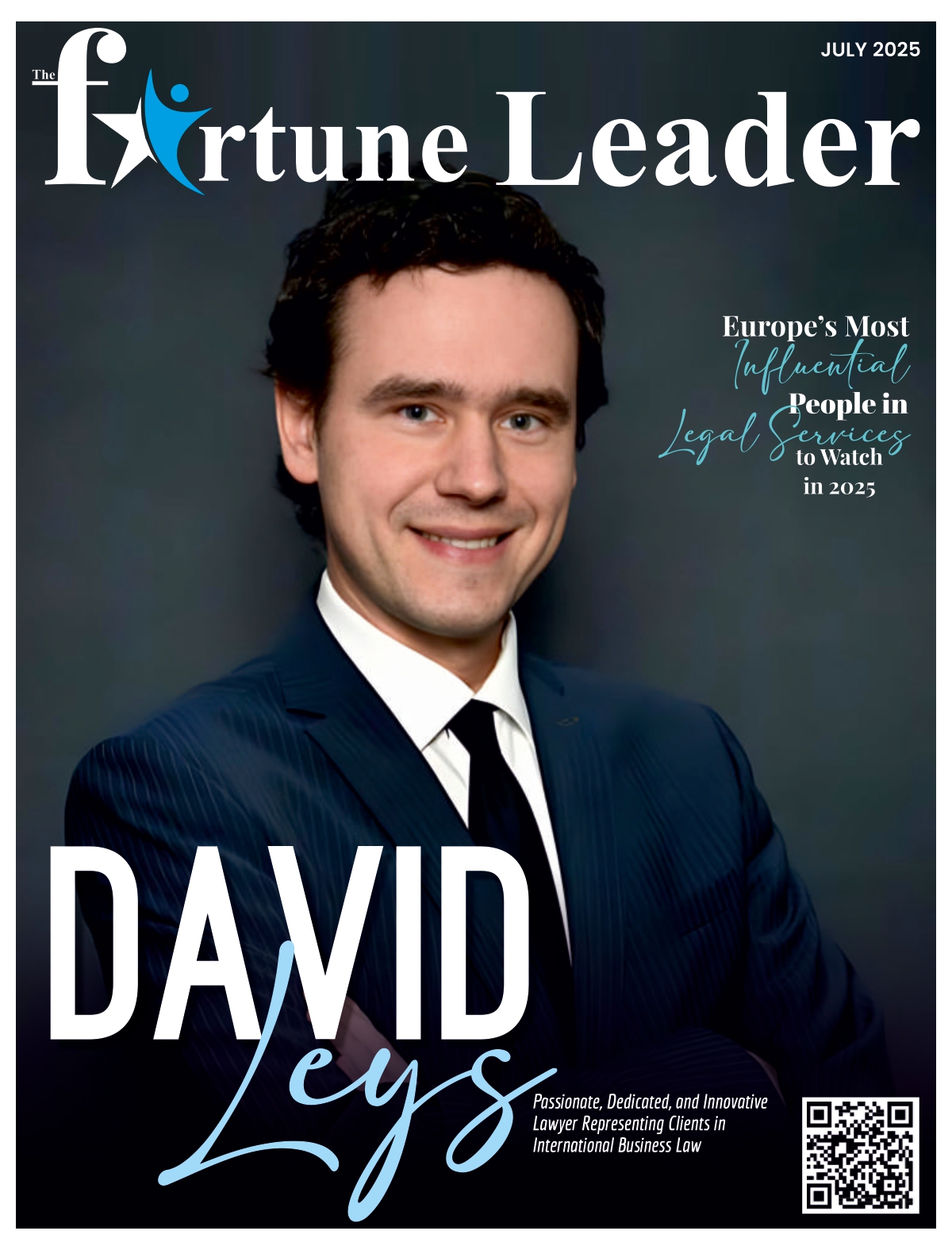
David Leys: Passionate, Dedicated, And Innovative Lawyer Representing Clients In International Business Law

Meet David Leys, a global attorney who is a member of the Brussels Bar, specializing in international trade, data privacy (GDPR), intellectual property, antitrust and competition as well as corporate and commercial contracts. David pursued his legal education at the Université catholique de Louvain, the College of Europe, and Columbia Law School, where he enhanced his knowledge of international regulations and cross-border legal frameworks.

The Professional Journey

David received training at prestigious international firms Sidley Austin and McGuireWoods, where he provided counsel to Fortune Global five hundred companies, governmental bodies, and associations on issues that included trade remedies, customs disputes, and compliance with EU regulations.

Subsequently, David broadened his expertise to encompass data privacy and cybersecurity, serving as an external Data Protection Officer (DPO) and offering strategic advice on intricate GDPR implementation, cross-border data transfers, and the governance of digital risks.

David emphasized that his background in litigation is equally robust, having represented clients in court more than 300 times across various trial and appellate courts in Belgium, specifically in commercial, intellectual property, and contractual issues. This practical courtroom experience shapes his legal strategy and provides clients with a competitive advantage in negotiation, enforcement, or risk management.

At present, David integrates his legal practice with academic research and instruction. As a doctoral researcher at the Université catholique de Louvain, David concentrates on the regulation of digital commerce and emerging technologies such as 3D printing. He frequently contributes to international journals and guides the upcoming generation of legal professionals.

“Having visited 123 countries across all seven continents, I bring a deeply global mindset to my work,” added David.

“My extensive exposure to diverse legal cultures and business environments has sharpened my ability to negotiate across jurisdictions, manage cultural nuances, and deliver strategic legal advice with both precision and diplomacy.”

Area of Specialization

David focuses on five primary domains: international trade, data privacy and cybersecurity (GDPR), antitrust and competition, intellectual property, and corporate and commercial contracts, as these domains constitute the foundation of cross-border commerce and innovation.

Across all these fields, what motivates David is the ability to translate legal complexity into practical solutions and to give clients not only peace of mind, but a strategic edge.

Professional Achievements

One of David’s most notable professional accomplishments has been providing counsel and representation to high-profile clients, which include Fortune Global 500 companies, public institutions, and innovative entrepreneurs across various jurisdictions, all while establishing a practice that merges legal accuracy with strategic insight.

A significant achievement was his participation in a complicated EU merger control case for a Fortune 500 energy corporation, where he managed legal due diligence and competition submissions across multiple nations. This project necessitated the alignment of legal, regulatory, and commercial priorities under considerable time constraints, showcasing his capability to maneuver through EU competition law, internal governance, and geopolitical sensitivities at the highest echelon.

Going with the Trend

David emphasizes that remaining at the forefront of changing legal frameworks is crucial to his work, particularly when providing counsel to clients throughout the EU, the U.S., and international organizations. David addresses this challenge by employing a blend of strategic monitoring, ongoing education, and direct involvement with regulatory advancements.

Addressing the Legal Industry Challenges

David stated that the legal sector in Europe is experiencing significant changes, influenced by rapid regulatory developments, digital innovations, and geopolitical instability. Three specific challenges are particularly noteworthy:

Due to the overlapping layers of EU law, national legislation, and sector-specific frameworks, legal professionals encounter growing challenges in providing clear and harmonized guidance, particularly in cross-border situations. David tackles this issue by cultivating extensive vertical expertise in areas such as trade, data protection, and intellectual property, while also converting intricate legal structures into practical advice customized for each client’s sector and jurisdiction.

Europe is at the forefront of establishing global regulatory standards in data privacy, artificial intelligence, cybersecurity, and platform governance. However, clients frequently find it challenging to balance innovation with compliance. David’s practice is dedicated to closing this gap by creating contracts that comply with GDPR, providing guidance on cross-border data transfers, and analyzing evolving regulations such as the EU Digital Markets Act, the AI Act, and the Data Act with a future-oriented perspective.

Businesses are encountering heightened litigation risks, ranging from intellectual property enforcement to consumer protection and public procurement conflicts. The courts are inundated, and clients are seeking quicker, more strategic methods for dispute resolution. David addresses this by integrating extensive litigation expertise, which includes court appearances in Belgium, with pre-litigation risk evaluation and alternative dispute resolution strategies, enabling clients to resolve issues effectively and in a commercially viable manner.

Incorporating Technology

Innovation and technology are not peripheral to David’s legal practice they are integral to how David deliver value, anticipate risk, and stay ahead of the curve.

Initially, he incorporates legal technology tools into everyday operations to improve efficiency and accuracy. Ranging from contract lifecycle management systems to AI-powered compliance checkers and legal analytics platforms, David employs technology to facilitate document drafting, track regulatory updates in real time, and detect potential issues early in intricate contracts or tenders.

Secondly, he offers legal advice regarding technology. David guides clients on GDPR adherence concerning AI, algorithmic processing, cloud services, and international digital commerce. Additionally, David plays a role in shaping legal perspectives on new technologies, including the effects of 3D printing on trade law and the governance of data transfers within the EU–U.S. framework, through scholarly research and legal analysis.

Thirdly, he adopts a digitally proficient, client-oriented approach. Whether he is advising a startup on licensing strategies, reviewing a SaaS contract, or negotiating intellectual property clauses in a technology merger and acquisition deal, David communicates in the language of innovation. His clients are engaged in rapidly evolving industries ranging from entertainment to energy to digital platforms, and they expect legal counsel that comprehends their business models and anticipates changes in regulations.  

Supporting Future Legal Professionals

Mentorship and leadership are fundamental to David’s approach to practicing law, team building, and contributing to the legal profession. He regards these elements not as optional, but as vital responsibilities, particularly in a legal environment that requires not only technical expertise but also sound judgment, adaptability, and integrity.

As a practitioner, he exemplified leadership: demonstrating strategic thinking, maintaining clarity in high-pressure situations, and committing to excellence in every file he manages, whether for a startup, a government entity, or a Fortune 500 client. However, effective leadership also entails being approachable. David dedicates time to elucidate not only what tasks must be accomplished but also the rationale behind them, while cultivating a learning atmosphere that enables younger professionals to develop with confidence and intellectual rigor.

The Future of Legal Services

The future of legal services in Europe will be shaped by integration, innovation, and purpose. The world is entering an era where legal advice must transcend traditional boundaries geographical, disciplinary, and institutional and evolve into a truly strategic service that enables clients to navigate complexity, harness change, and build trust.

David believes legal services will become increasingly tech-augmented, policy-aware, and impact-driven. European law is no longer limited to the courtroom or the boardroom, it is becoming central to questions of digital sovereignty, sustainable transition, and cross-border governance. Lawyers will need to combine regulatory expertise with geopolitical fluency, technological literacy, and ethical awareness.

Through interdisciplinary practice, scholarly research, and legal thought leadership, David seeks to articulate the characteristics of a next-generation European lawyer: multilingual, adept in cross-border matters, digitally proficient, and knowledgeable in policy. David aspires to create connections between law and technology, the private and public sectors, as well as between legal certainty and commercial innovation.


Null Station: Where Creative Animation Meets Strategic Objective

Null Station is a trailblazing 3D animation studio based in Dhaka, Bangladesh, founded in 2021 by RTB Ruhan and Ratul Biswas. With a bold vision to elevate the region’s animation industry, the studio merges creativity with cutting-edge technology to deliver impactful, visually stunning content. Known for pioneering works like XD Bros, Bangladesh’s first 3D animated web series, and Bengal in 1869, the first AI-generated documentary in the country, Null Station continues to push the boundaries of digital storytelling. Their proprietary tools and strategic approach have helped clients achieve over $50 million in sales and fundraising. Recognized for innovation, Null Station is redefining how stories are told through animation.

Inside the Interview

1. Can you briefly share your professional journey and what inspired you to enter the engineering and design services field?

At Null Station, our journey began with a shared passion for storytelling and a vision to revolutionize the animation industry in Bangladesh. Founded in 2021 by RTB Ruhan and Ratul Biswas, we recognized a gap in high quality 3D animation services within the region. Our backgrounds in design and technology, combined with a deep appreciation for visual storytelling, propelled us to establish a studio that not only delivers exceptional animations but also pushes the boundaries of what’s possible in the digital realm.

2. What do you believe sets your organization apart in terms of innovation and client impact?

Null Station stands out due to our commitment to innovation and our client centric approach. We’ve developed proprietary toolsets that streamline our production pipeline, allowing for faster turnaround times without compromising on quality. Our ability to blend traditional animation techniques with cutting edge technology enables us to create content that resonates with audiences globally. Notably, our projects like “XD Bros,” Bangladesh’s first 3D animated web series, and “Bengal in 1869,” the first AI generated documentary, showcase our dedication to pioneering new forms of storytelling.

3. How do you stay ahead of technological trends and integrate them into your services or solutions?

Staying ahead requires continuous learning and adaptability. We invest in research and development to explore emerging technologies such as AI driven animation, virtual reality (VR), and augmented reality (AR). Our team regularly attends international conferences, workshops, and collaborates with tech innovators to integrate the latest advancements into our workflow. This proactive approach ensures that our clients benefit from state of the art solutions that enhance their brand narratives.

4. What has been one of your most challenging projects, and how did you overcome it?

One of our most ambitious projects was “Steve Jobs | Pioneers of Change,” where we recreated a 3D animation of Steve Jobs announcing the iPhone 16, complete with AI generated voice. The challenge lay in authentically capturing the essence of a tech icon while navigating the ethical considerations of AI generated likenesses. Through meticulous research, ethical consultations, and leveraging advanced AI tools, we delivered a project that was both respectful and groundbreaking.

5. Sustainability and efficiency are key concerns today. How do your engineering/design solutions address these issues?

Sustainability is integral to our operations. We employ asset reuse strategies, optimizing resources by repurposing models and environments across projects. Our proprietary tools enhance efficiency, reducing energy consumption during rendering processes. Additionally, by offering virtual solutions like VR showrooms, we help clients minimize physical resource usage, aligning with global sustainability goals.

6. How do you foster a culture of innovation and creativity within your team or organization?

Our studio thrives on collaboration and continuous learning. We encourage team members to pursue passion projects, attend workshops, and share insights from various disciplines. Regular brainstorming sessions and an open door policy ensure that every idea is heard and valued. By cultivating an environment where creativity is celebrated, we empower our team to push creative boundaries.

7. In what ways have client demands evolved over the past few years, and how have you adapted to meet them?

Clients increasingly seek content that not only captivates but also drives specific outcomes like sales growth and fundraising success. At Null Station, we craft tailored 3D animations that align with these objectives, blending creativity with strategic messaging to enhance marketing campaigns and fundraising efforts. Our work has contributed to over $50 million in combined fundraising and sales for our clients in recent years.

8. What emerging trends or technologies do you believe will significantly impact engineering and design services in the next five years?

The integration of AI in animation, real time rendering, and the rise of the metaverse will redefine content creation. Technologies like neural rendering, procedural generation, and immersive AR/VR experiences will become standard. Embracing these trends, we aim to remain at the forefront, delivering innovative solutions that captivate audiences.

9. What advice would you give to future engineers and design leaders who aspire to lead with innovation and integrity?

Stay curious and never stop learning. Embrace interdisciplinary approaches, as innovation often lies at the intersection of different fields. Prioritize ethical considerations, especially when leveraging emerging technologies. Most importantly, remain authentic in your storytelling, as genuine narratives resonate most with audiences.

Company Description:

Null Station is a Creative 3D animation studio based in Dhaka, Bangladesh, offering comprehensive animated solutions for businesses worldwide. Specializing in 3D animated films, game development, and experimental projects, we harness proprietary toolsets to deliver high quality, engaging content. Our notable works include “XD Bros,” the country’s first 3D animated web series, and “Bengal in 1869,” first of its kind AI generated documentary. Committed to innovation and excellence, Null Station transforms complex ideas into visually compelling stories.

The Innovative Mind Behind Bates Product Design: Myles Bates’ Vision

Myles Bates is the visionary founder of Bates Product Design, bringing a strong foundation in mechanical engineering and medical device design, along with a Master’s in Engineering. With a passion for transforming ideas into market-ready products, Myles specializes in accelerated product development that combines efficiency, creativity, and cost-effectiveness. His expertise spans design, CAD, concept development, and in-house prototyping—empowering startups and businesses to bring their innovations to life. Under his leadership, Bates Product Design has become known for its agile, collaborative, and sustainable approach. Recognized by The Fortune Magazine as one of The Most Innovative Leaders in Engineering and Design Services in 2025, Myles continues to set new standards in the industry.

Inside the Interview

Can you briefly share your professional journey and what inspired you to enter the engineering and design services field?

Bates Product Design Ltd was born from a passion for turning ideas into tangible, meaningful products that improve lives. Our founder, Myles Bates, began as a mechanical engineer with a deep curiosity about how everyday objects are made. After gaining experience across industries—from medical devices to consumer electronics—he noticed a recurring problem: many brilliant product ideas from startups and small businesses never reached the market. The prohibitive cost of design services, coupled with inflexible, cookie-cutter agency models, made it difficult for SMEs to move forward. Myles saw an opportunity to do things differently. By offering a flexible, collaborative model—supported by a network of trusted experts without the overheads of a large agency—Bates Product Design was created to make high-quality design accessible and tailored to each unique project.

What do you believe sets your organization apart in terms of innovation and client impact?

At Bates Product Design, we don’t just design products—we design partnerships. Our client-centred approach sets us apart. We work hand-in-hand with inventors, entrepreneurs, and businesses to truly understand their vision and constraints. This collaborative spirit allows us to offer an agile, transparent, and emotionally intelligent development process. We invest heavily in prototyping and micro-manufacturing capabilities in-house, giving our clients rapid, cost-effective iterations that accelerate development and reduce risk. Our innovation isn’t limited to flashy tech—it’s about solving problems creatively, efficiently, and with lasting impact for our clients.

How do you stay ahead of technological trends and integrate them into your services or solutions?

Staying ahead of the curve is part of our DNA. We actively invest in emerging technologies, including high-speed 3D printing, micro-injection moulding, and digital simulation tools. Our team regularly participates in industry events, webinars, and technology showcases to ensure we’re not only aware of trends but ready to implement them effectively. By integrating these technologies into our workflow—such as using AI-assisted CAD tools or automating parts of our prototyping process—we improve speed, accuracy, and cost-efficiency for our clients.

What has been one of your most challenging projects, and how did you overcome it?

One of our most rewarding and challenging projects to date has been the development of Tidelight, a sustainably designed, UK-made ambient light. The vision was ambitious: design and manufacture the entire product within the UK using local suppliers and eco-friendly materials. We collaborated closely with trusted partners—including PCB manufacturers, traditional wood turners, and 3D printing experts—to develop the product. Every detail was thoughtfully sourced and tested locally, ensuring the design stayed true to its sustainable ethos. Thanks to this collaborative, community-driven approach, Tidelight successfully raised over £22,000 in pre-sales and is now available for pre-order at tidelight.co.uk. It’s a testament to what’s possible when sustainability and local innovation are at the heart of product development.

Sustainability and efficiency are key concerns today. How do your engineering/design solutions address these issues?

We embed sustainability into every phase of our development process. From material selection to manufacturing methods, we prioritise solutions that reduce waste, energy consumption, and environmental impact. We often guide our clients towards using recycled or recyclable materials and design for disassembly where possible, allowing for easier repair or recycling. Efficiency is also key—optimising part counts, simplifying geometries, and choosing local manufacturing options help us cut down lead times and reduce the carbon footprint of our designs. We also collaborate with several environmentally focused manufacturers who help thrive at brining our environmentally friendly products to life.

How do you foster a culture of innovation and creativity within your team or organization?

Our team thrives on openness, experimentation, and continuous learning. We encourage all team members, regardless of role, to contribute ideas and explore new approaches. Regular design sprints, collaborative sketching sessions, and technology demos keep our creative energy flowing. We’ve built a psychologically safe environment where ‘failing fast’ is seen as a valuable step in the innovation process. This culture allows us to maintain a high level of engagement and creativity across everything we do.

In what ways have client demands evolved over the past few years, and how have you adapted to meet them?

Clients today are more design-aware and environmentally conscious. There’s growing demand for end-to-end support, from idea validation to full-scale production. Many are asking for sustainable materials, rapid development, and cost-effective manufacturing solutions. Crucially, we’ve seen an increase in clients wanting UK-based design and manufacturing. In response, we’ve built strong partnerships with local manufacturers to streamline development. This allows us to test products live on-site, shorten production lead times, and ensure a seamless transition from prototype to market—all while supporting local industry and reducing environmental impact.

What emerging trends or technologies do you believe will significantly impact engineering and design services in the next five years?

We anticipate that AI-assisted design tools, generative design, and digital twins will become standard in the industry. These technologies allow for faster iteration, performance forecasting, and data-driven decision-making. Additionally, the growth of decentralised, small-batch, and on-demand manufacturing will revolutionise product development for startups and SMEs. The integration of emotional and behavioural insights into design will also continue to gain traction, helping brands deliver more human-centred, emotionally resonant products.

What advice would you give to future engineers and design leaders who aspire to lead with innovation and integrity?

Stay curious, stay humble, and always listen—especially to the people who will use your products. Innovation isn’t just about technology—it’s about empathy, practicality, and impact. Integrity means being honest about what’s feasible, guiding clients with care, and making decisions that benefit both people and the planet. Surround yourself with diverse voices, embrace iterative learning, and don’t be afraid to challenge convention. Real leadership in design means being bold enough to do things differently—and kind enough to bring others along with you.

From Concept to Creation: How Design Services Are Evolving with AI

In the swiftly changing realm of digital design, artificial intelligence (AI) is revolutionizing the process by which creative concepts transition from idea to realization. What previously depended entirely on human intuition, manual labor, and lengthy timelines is now being altered by intelligent systems capable of generating, refining, and optimizing designs with unmatched speed and precision. This transformation is not only redefining workflows but also broadening the horizons of creativity and efficiency within design services.

The Traditional Design Workflow

Historically, the design process commenced with a client briefing, which was then succeeded by brainstorming, sketching, prototyping, gathering feedback, and ultimately, production. Designers depended significantly on their individual expertise, creativity, and software such as Adobe Creative Suite to realize their concepts. Although this method was effective, it frequently proved to be time-consuming, necessitated numerous revisions, and was vulnerable to human error and subjective interpretation.

AI-Powered Design: A Game Changer

The advent of AI has led to the automation and enhancement of numerous phases within this conventional process. AI tools are now capable of aiding in the generation of ideas, automating monotonous tasks, and offering real-time recommendations grounded in design principles and user data.

One of the most groundbreaking features of artificial intelligence in design is generative design. These systems utilize algorithms to investigate numerous design variations according to established parameters such as materials, budget, aesthetics, and functionality. Consequently, designers can initiate the process with data-driven prototypes rather than an empty canvas, thereby expediting the transition from concept to execution.

Personalized and Data-Driven Creativity

The capability of AI to evaluate extensive quantities of user data facilitates the creation of more tailored design experiences. For example, in the realms of web and UX design, AI is capable of monitoring user interactions with a product and modifying layouts, color palettes, and content instantaneously to align more closely with personal preferences. Such dynamic adaptability was not achievable through manual techniques alone.

Furthermore, applications such as Adobe Firefly, Canva’s Magic Design, and Midjourney allow designers, including those lacking technical skills, to swiftly produce high-quality visuals. These platforms utilize natural language prompts to generate images, layouts, and templates, thereby reducing the entry barriers for design and promoting creativity for all.

Collaboration Between Human and Machine

Artificial Intelligence is not supplanting designers; rather, it is evolving into their collaborative partner. The role of human creativity remains vital in determining the direction, tone, and emotional impact of a project. Conversely, AI can manage the substantial tasks of execution, iteration, and analysis. This collaboration facilitates quicker turnaround times and allows designers to concentrate on more advanced strategic considerations.

This mutually beneficial relationship is apparent in branding, animation, architecture, and even fashion design, where AI aids in the creation of mood boards, the selection of color palettes, and the forecasting of trends. By managing the technical aspects, AI enables human designers to continue being visionaries.

Challenges and Ethical Considerations

Despite the advantages, the use of AI in design poses various challenges. Ongoing discussions revolve around issues of originality and intellectual property when designs generated by AI draw from pre-existing works. Additionally, there exists the danger of excessive dependence on templates and algorithms, which could result in a uniformity of style and hinder genuine innovation.

Designers and agencies need to tread carefully in these ethical waters, making sure that AI acts as a means of enhancement instead of a substitute or a source of plagiarism. It is essential to uphold transparency, accountability, and responsible use of AI in creative sectors to preserve integrity.

The Future of AI in Design Services

Anticipating the future, the incorporation of artificial intelligence in design services is projected to intensify. More advanced AI models will provide enhanced interactivity, including real-time collaboration within virtual settings or intuitive design assistants that comprehend emotional intent and cultural context.

Ultimately, the transition from concept to creation through AI transcends mere automation; it embodies augmentation. AI is enabling designers to expand their thinking, accelerate their processes, and craft more significant experiences than ever before. As technology progresses, the collaboration between human creativity and artificial intelligence heralds a future where design becomes increasingly inclusive, efficient, and inspiring.

Microsoft Confirms Xbox Console And Game Price Increase

In a move that has sparked widespread discussion across the gaming community, Microsoft has officially confirmed price increases for both its Xbox consoles and first-party games in several global markets. The decision, which the company attributes to changing market conditions and rising operational costs, marks a significant shift in its pricing strategy.

Effective immediately or in the coming weeks (depending on the region), the Xbox Series X will see a price hike in markets including Canada, Europe, and Japan. Meanwhile, the cost of first-party Xbox games including high-profile titles from studios like Bethesda and 343 Industries will increase from $60 to $70 USD.

Microsoft stated that these adjustments are necessary to “reflect the content, scale, and technical complexity” of their current and upcoming game releases. This move aligns with similar decisions from industry competitors like Sony and Ubisoft, who have already raised prices for their new-generation games.

While the Xbox Series S will remain at its current price point in most regions, the overall price shift has left some gamers concerned about affordability and accessibility particularly in developing markets.

Still, Microsoft appears committed to its broader ecosystem strategy, including Xbox Game Pass, which continues to offer significant value with a wide library of games at a monthly subscription rate.

As the gaming landscape evolves, price adjustments may become increasingly common. For now, fans and industry analysts alike will be watching closely to see how this impacts consumer behavior and console competition in the months ahead.

Hyperbaric Oxygen Therapy In 2025: Advancing Access, Safety, And Innovation

Erika Jordan, DMS, EMT, CHT, CHS Founder of Hyperbaric Healing Treatment Center

In recent years, hyperbaric oxygen therapy (HBOT) has seen a remarkable evolution. Once considered niche and reserved primarily for wound healing or diving-related injuries, HBOT is gaining widespread recognition for its benefits in treating neurological, inflammatory, and chronic conditions. As this momentum builds, it becomes more important than ever to ensure the field advances responsibly, inclusively, and with a commitment to quality care.

Clinical Research Fueling Broader Acceptance

HBOT’s increasing legitimacy in mainstream medicine is being propelled by high-level clinical research. One major milestone is the $28 million, state-funded clinical trial led by the University of South Florida. This double-blind, randomized controlled study is investigating HBOT’s effects on veterans with traumatic brain injuries (TBI). With participants undergoing 40 sessions, the results could have wide-reaching implications for insurance coverage, military medicine, and long-term neurological care. Studies like these bring credibility and much-needed data to a therapy that has often struggled for mainstream acceptance.

Unregulated Growth in the Private Sector

Despite its medical potential, the private HBOT sector remains highly inconsistent. Clinics vary widely in safety standards, equipment, and practitioner training. Without strong regulation, the industry risks jeopardizing patient safety. At Hyperbaric Healing Treatment Center, we emphasize rigorous training and medical oversight. A hyperbaric facility is only as safe as the professionals who operate it. That’s why we advocate for patients to do their research and ensure they’re receiving treatment from certified, experienced providers.

New Technology, Better Outcomes

Technological innovation is reshaping how HBOT is delivered. Today’s chambers are equipped with precise pressure controls, and safety redundancies that were not standard just a decade ago. HBOT is increasingly used alongside other wellness services like IV therapy, functional medicine, and regenerative care. This integrated approach enhances outcomes, especially for complex, chronic cases.

Developing the Next Generation of Providers

One of the most rewarding parts of my role is mentoring students and early-career clinicians. Since hyperbaric therapy is rarely taught in traditional medical programs, onboarding new talent requires intentional mentorship. But it’s worth the investment. We’re not just growing a workforce—we’re cultivating advocates for safety, evidence-based care, and innovation.

A Leadership Role Rooted in Purpose

As a woman in a highly specialized medical field, I’m proud to lead a business built on compassion, professionalism, and personal connection. I also serve as Operations Chair for the American Cancer Society’s Making Strides Against Breast Cancer committee—a role I’ve held for 7 years. It has connected me with inspiring peers, lifelong friendships, and a deeper understanding of community-based healing.

Women across healthcare are helping reshape the industry by prioritizing communication, empathy, and holistic leadership. These strengths, once considered secondary, are now seen as essential in improving both patient outcomes and workplace culture.

What the Future Holds

The next five to ten years could be transformative for hyperbaric medicine. I believe HBOT will be embraced more widely—used earlier in treatment plans, offered at more accessible locations, and backed by stronger clinical guidelines. National conversations, including one sparked by Robert F. Kennedy Jr. on expanding HBOT access, indicate broader change is within reach.

My vision is to bring HBOT to the patients who need it most—veterans, children, and underserved populations navigating complex medical conditions. By fostering responsible growth, interdisciplinary partnerships, and science-driven protocols, we can ensure this therapy continues to evolve into one of the most impactful tools in modern medicine.

Author Bio:

Erika Jordan is the founder and director of Hyperbaric Healing Treatment Center, with locations in Orlando and New Smyrna Beach, Florida. She holds certifications as a Certified Hyperbaric Technologist (CHT) and Certified Hyperbaric Specialist (CHS), with a clinical background in diagnostic medical sonography and emergency medical services. Erika brings over a decade of experience to advancing hyperbaric therapy through safe practice, education, and expanded access.