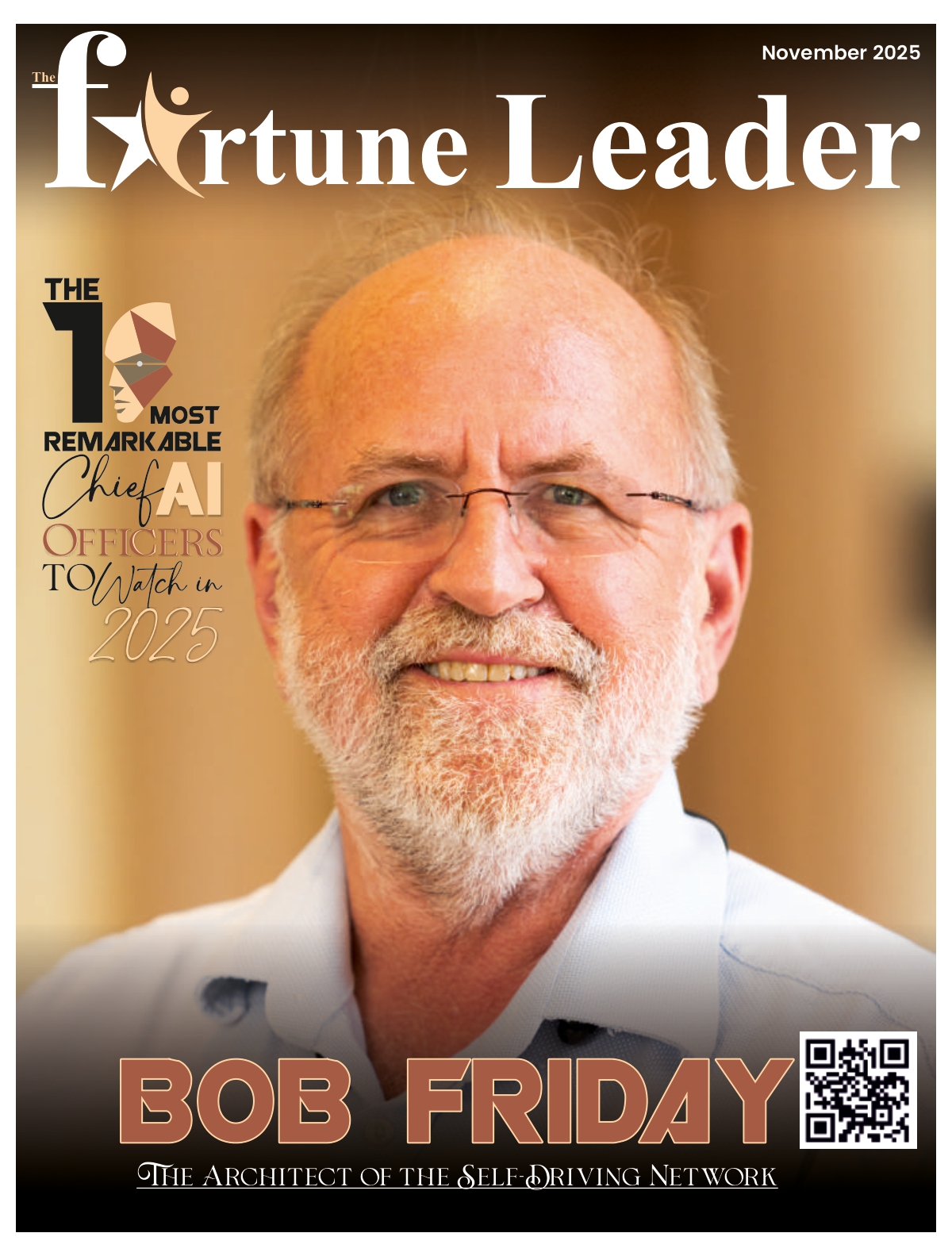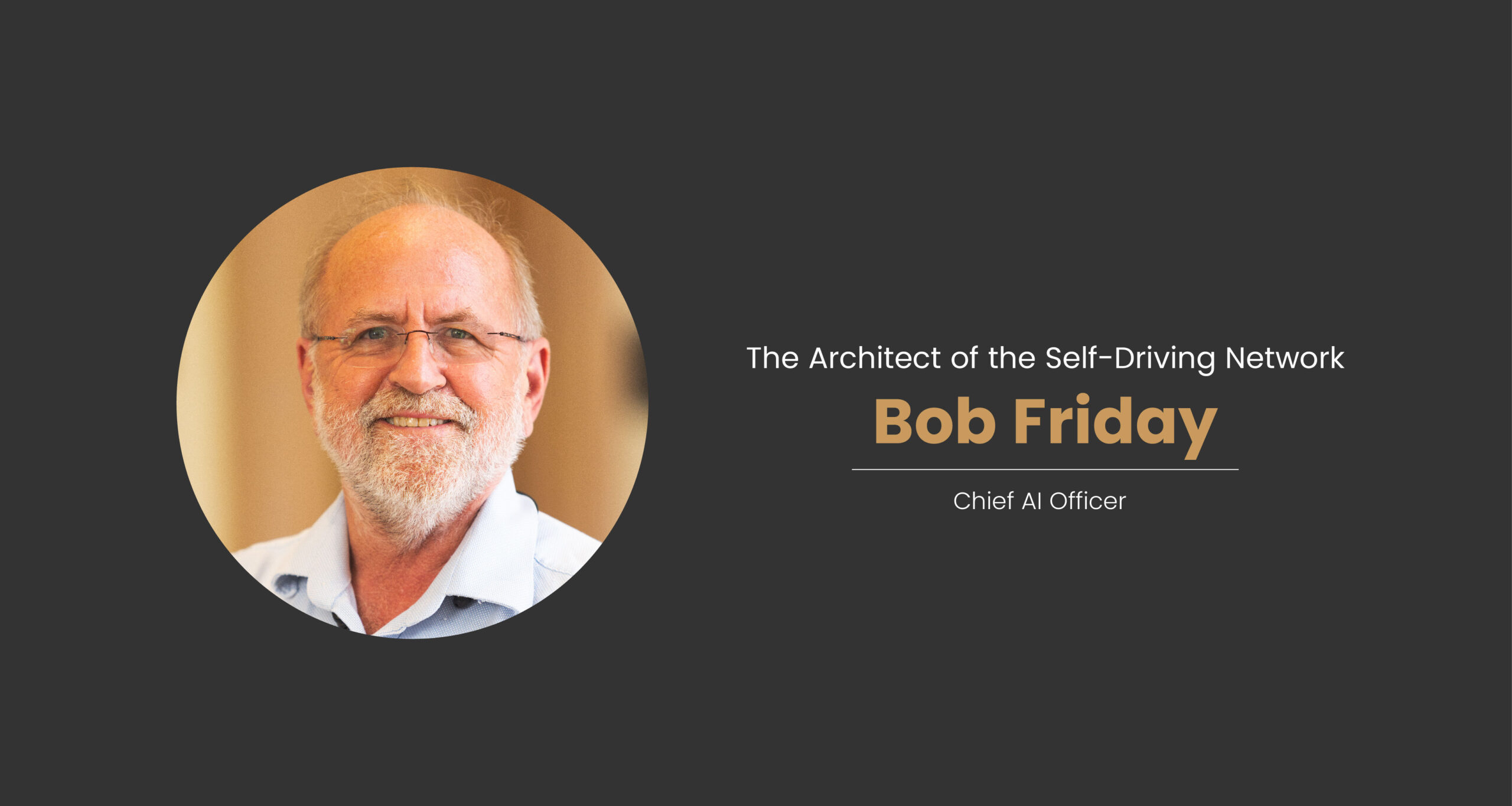
Bob Friday: The Architect of the Self-Driving Network

In the dynamic world of technology, where innovation moves at the speed of light and transformation is the only constant, few leaders have consistently stayed ahead of the curve. Bob Friday, Chief AI Officer at HPE Juniper Networking, is one of them. His career reads like a blueprint for the evolution of modern networking from the early days of wireless mesh systems to today’s AI-driven, self-healing networks. But beyond his technical brilliance, it is his vision to make mobile access to the internet as ubiquitous and reliable as clean water and power that continues to guide his journey.

From the Dawn of Wireless to the Age of Intelligence

Bob’s career began at the intersection of policy and possibility. The unlicensed spectrum rules created by the FCC in the 1980s opened the door for wireless innovation, a door he was determined to walk through. His first major role at Metricom saw him helping build the Ricochet network, one of the earliest large-scale wireless mesh systems in the United States. “It was about connecting laptops to the emerging internet,” he recalls. “That’s when I realized connectivity would soon become as essential as any utility.”

From Metricom, Bob went on to co-found Airespace, a company that revolutionized how enterprises managed Wi-Fi networks as the workplace became increasingly mobile. When Cisco acquired Airespace in 2005, Bob took on a new challenge leading their enterprise mobility strategy as CTO. His work there pushed forward key industry standards like Hotspot 2.0 and Passpoint, while his team developed innovative wireless location experiences that redefined how users connected and navigated digital environments.

But it was during Cisco’s due diligence on the Meraki acquisition in 2012 that Bob, glimpsed the future of cloud-managed networking. Around the same time, IBM’s Watson famously defeated Jeopardy champion Ken Jennings, signalling that AI had moved from the lab into the real world.

Founding Mist: The Birth of the Self-Driving Network

In 2014, Bob co-founded Mist Systems with a bold vision: to bring real-time, AI-powered automation to enterprise networking. Mist introduced the world to “Marvis,” an AI-driven assistant designed to help IT teams manage networks proactively rather than reactively. It was not just about fixing connectivity issues faster it was about predicting and preventing them before users even noticed.

“The shift,” Bob explains, “was from managing network elements to managing the client-to-cloud user experience. That required a real-time, cloud-based AIOps architecture and a clean slate approach.”

Leading with Vision and Heart

For Bob, leadership has always been a team sport. His startup roots taught him that building a business is not the same as building a product. “You need great customers, great teams across every function, and a shared sense of purpose,” he says. His leadership philosophy blends visionary thinking with practical execution grounded in customer outcomes and driven by empathy for users.

That empathy has been crucial to his focus on artificial intelligence. The turning point came when a large retail customer told him bluntly that they would not deploy his solution until he could ensure faster updates, eliminate crashes, and guarantee a great user experience. “That was when I realized AI wasn’t optional,” Bob says. “We needed real-time cloud AIOps to deliver what customers expected.”

The Chief AI Officer’s Mandate

Today, as Chief AI Officer of HPE Networking, Bob’s role sits at the intersection of technology and transformation. His mandate is clear: guide the expansion of HPE Networking’s Marvis AIOps platform across the enterprise portfolio to deliver an unparalleled client-to-cloud experience. That means setting the long-term AI vision, aligning technology roadmaps with market needs, and driving collaboration between engineering, data science, and product teams.

Balancing strategy and innovation, he says, requires connecting horizon-two research with horizon-one execution. “Innovation can come from anywhere,” he notes. “My job is to water it when I see it.”

AI as the Core of the HPE Juniper Mission

Under Bob’s direction, AI is not an add-on, it’s the foundation of HPE Networking’s self-driving networking journey. By embedding AI into every layer of the network, HPE Networking is moving from reactive problem-solving to predictive, autonomous operations.

Key innovations like the Marvis Conversational Interface, Marvis Actions, Marvis Large Experience Model (LEM), and Marvis Minis exemplify this evolution. These agentic-based tools help predict and resolve issues before they affect users, automate repetitive IT tasks, and continuously learn to improve performance.

AI in Action: Transforming Support and Operations

One of Bob’s proudest initiatives has been integrating Marvis AI directly into HPE Networking’s customer support operations. Traditionally, support teams worked in silos, responding to tickets after problems arose. With a cloud AIOps architecture, support is now built into the product itself.

Ethical AI, by Design

Bob is also a vocal advocate for responsible AI. Under his leadership, HPE Networking has adopted a set of AI Innovation Principles emphasizing transparency, explainability, inclusivity, and data security. “AI should be intentional,” he insists. “It should inform human decision-making, not manipulate human experience.”

The Future: Agentic AI, Trust, and Scale

Looking ahead, Bob identifies three trends that will define AI in 2025 and beyond. Agentic AI, he says, represents a new paradigm, one that allows automation of complex, nonlinear tasks traditionally requiring human reasoning.

Trust, meanwhile, is becoming the new currency. Just as users now trust autonomous vehicles to drive them safely, IT teams will increasingly trust AI systems like Marvis Actions to make and execute operational decisions.

AI and the Next Frontier of Networking

Bob envisions AI transforming networking in three key dimensions: security, automation, and customer experience. The same data used to optimize user experience can now predict cyber risks in real time. Automation will continue to eliminate manual tasks, making networks truly self-driving. And customer experience, once measured in uptime and speed, will evolve into something richer: networks that anticipate needs, adapt dynamically, and make technology feel invisible.

Building Teams for the Future

At the heart of Bob’s leadership is a belief that innovation starts with people. He fosters teams that prioritize customer problems over technical novelty, encouraging curiosity and collaboration across disciplines. “AI is not just math and models,” he says. “It’s about automating cognitive tasks and that takes diversity of thought and trust.”

He also cultivates a culture of continuous learning, encouraging engineers to explore, experiment, and connect their insights back to customer outcomes. “Adaptability comes from empowering people to take risks,” he notes. “Setbacks are part of progress.”

The Road Ahead

Bob’s long-term vision for AI at HPE Networking is clear: deliver on the promise of the Self-Driving Network, a system intelligent enough to predict, adapt, and improve continuously. Through the integration of generative AI, agentic automation, and integration with HPE GreenLake Intelligence, Marvis is evolving from a virtual assistant into a true AI copilot for IT teams.

“The goal,” Bob says, “is to take complexity off operators’ shoulders, reduce costs, and give enterprises a network that just works.”

Words to the Next Generation of AI Leaders

Bob’s advice to aspiring AI leaders is both humble and profound: stay grounded in customer problems. “The real impact of AI isn’t in the model,” he says, “it’s in solving challenges that matter.” He encourages curiosity, resilience, and collaboration, reminding future innovators that AI is ultimately a team effort.

“If you can combine technical vision with empathy for users and a commitment to responsible innovation,” he concludes, “you’ll do more than build great products, you’ll build technology that truly makes life better.

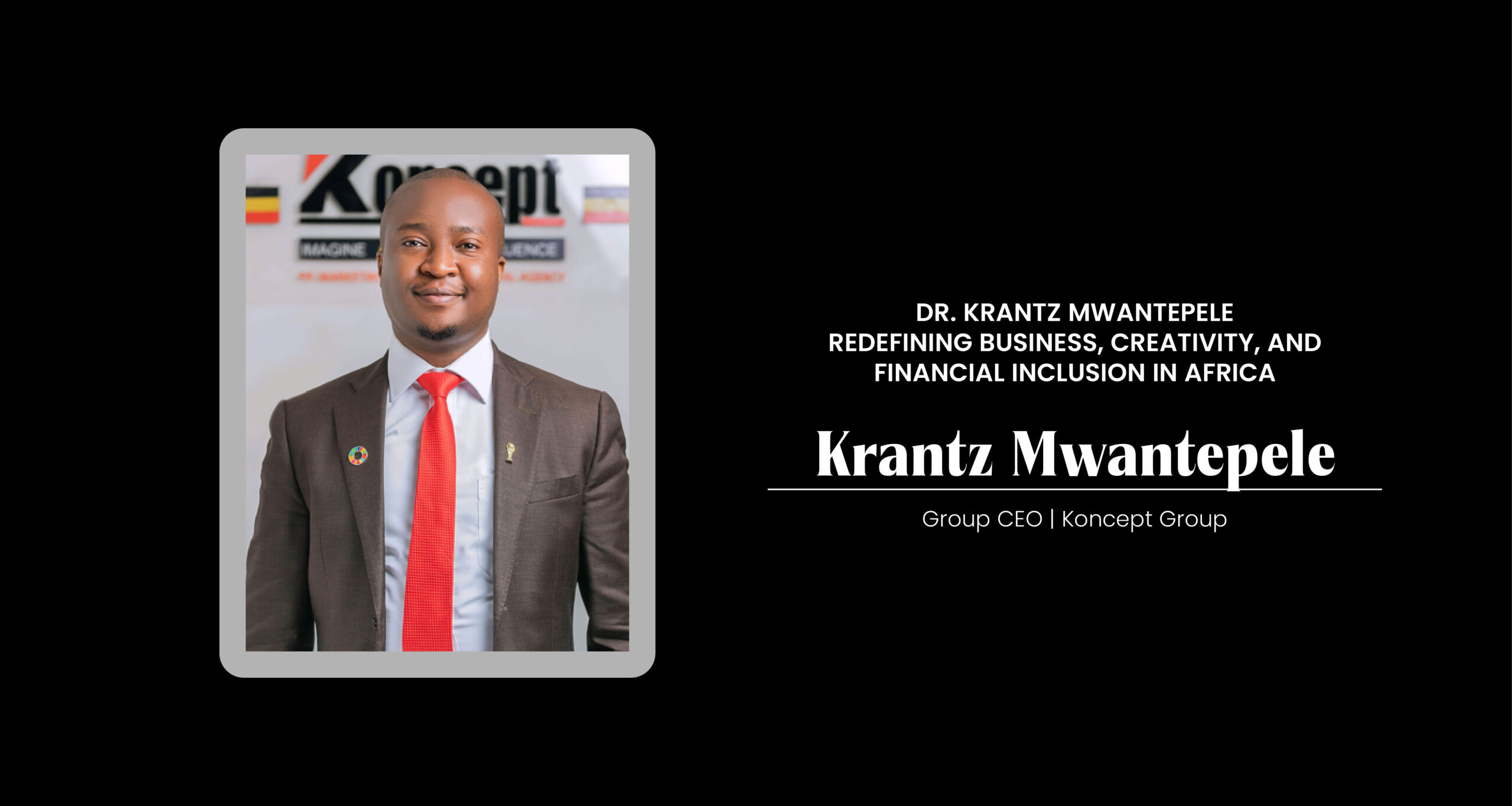
Dr. Krantz Mwantepele: Redefining Business, Creativity, and Financial Inclusion in Africa

Inside the Visionary Journey of Dr. Krantz Mwantepele, CEO of KONCEPT Group

In the fast-evolving business landscape of Africa, few names stand out as prominently as Dr. Krantz Mwantepele. As the CEO of KONCEPT Group, his vision has consistently challenged conventions, blending creativity with pragmatic solutions to shape a new narrative of African innovation. From humble beginnings to leading a multi-sector powerhouse, Dr. Mwantepele’s journey is not merely one of success but a blueprint for transformative leadership.

The Birth of a Visionary Enterprise

The story of KONCEPT Group begins in 2015, born out of both necessity and a bold vision. At a time when African businesses struggled to articulate their narratives on the global stage, Dr. Mwantepele recognized a critical gap. “Too often, global narratives overshadowed local ones,” he reflects, “and I believed there was space for an African-owned, African-rooted agency that could bring creativity, strategy, and influence to the forefront.”

Starting with a small, determined team, KONCEPT rapidly evolved from a modest public relations and marketing agency into an award-winning, five-star-rated powerhouse operating across multiple sectors. But Dr. Mwantepele’s ambitions extended far beyond the typical agency model. KONCEPT’s growth trajectory has been marked by an unwavering commitment to solving real African challenges, culminating in the launch of the revolutionary TIERS platform.

Leadership Shaped by Resilience and Insight

Dr. Mwantepele’s early career laid the foundation for his unique leadership style. Working in media and brand consultancy, he gained firsthand insight into the power of storytelling, but more importantly, into the systemic gaps that hindered effective communication across Africa. “True leadership,” he asserts, “means building solutions that transform entire ecosystems.”

This systems-thinking approach underpins KONCEPT’s evolution. From traditional PR campaigns to launching TIERS a financial technology platform designed to address Africa’s $55.6 billion remittance challenge Dr. Mwantepele’s philosophy is clear: do not just communicate; solve problems.

KONCEPT’s Distinct Edge

In a saturated industry, what sets KONCEPT apart is its dedication to delivering real-world solutions. “We don’t just communicate we solve problems,” Dr. Mwantepele emphasizes. Through platforms such as Ubaoni Ad and Koncept Metrics, the agency built a reputation for excellence in public relations. But the real game-changer has been TIERS.

TIERS is not just another fintech app it is the first African platform that seamlessly integrates peer-to-peer cross-border transfers, USD savings with daily yield opportunities, and local merchant discovery. In doing so, it confronts the three pressing pain points of Africa’s unbanked population: prohibitive remittance costs, lack of stable currency savings, and fragmented local commerce.

Innovation in Action: Adapting to Evolving Markets

As client expectations and media landscapes shift, KONCEPT doesn’t merely adapt it leads the change. Dr. Mwantepele explains, “Africa’s young, mobile-first population demands integrated solutions.” With TIERS, this insight became action. By eliminating transfer fees through peer-to-peer transactions, enabling USD savings, and connecting consumers with local merchants, TIERS anticipates needs rather than chasing trends.

The upcoming launch of TIERS across eight African countries this October marks a milestone in this strategic vision. It’s more than a product release it’s a declaration of KONCEPT’s commitment to pioneering integrated, value-driven solutions.

Overcoming Challenges: Turning Obstacles into Opportunity

Building KONCEPT into a five-star agency and expanding into fintech was not without hurdles. “The biggest challenge,” Dr. Mwantepele reflects, “was always seeing beyond immediate problems to systemic solutions.” Early financial constraints taught the team to innovate under pressure a skill that proved invaluable when developing TIERS.

Recognizing that Africa’s $55.6 billion in annual remittance flows were more than just numbers they were individual stories of struggle Dr. Mwantepele and his team, including fintech expert co-founder Jonatas Kirsch, set out to build a solution from scratch. Their approach blended deep market intelligence with robust technology, securing $1 million in intellectual property value and strategic partnerships along the way.

Future-Ready Innovation

Staying future-ready in a rapidly digitizing environment requires more than trend analysis it demands proactive creation. “We build tomorrow’s solutions today,” Dr. Mwantepele asserts.

TIERS exemplifies this forward-looking mindset. With over 10,000 early adopters and a $300,000 pre-seed fundraising target aimed at reaching 200,000 users in Tanzania alone, the platform is demonstrating the power of community-driven growth. Not reliant on expensive advertising, its success is largely referral-driven, underscoring a core belief in authentic, needs-based innovation.

Advice for the Next Generation

To aspiring PR and marketing professionals aiming to make their mark in Africa, Dr. Mwantepele’s counsel is unequivocal: think beyond communication to transformation. “Africa’s challenges require entrepreneurs who can build comprehensive solutions,” he says.

Drawing from the TIERS journey, he highlights the importance of addressing systemic problems. It’s not enough to craft compelling messages; success lies in solving real-world issues that impact millions. Mastery of craft must be married with a relentless focus on identifying and solving interconnected challenges.

Essential Skills and Values for Success

In Dr. Mwantepele’s view, systems thinking is essential. TIERS succeeds precisely because it doesn’t tackle problems in isolation but addresses multiple interrelated pain points. Crucial skills include data literacy, cross-border cultural intelligence, and, perhaps most importantly, the ability to build and maintain trust in communities where traditional institutions have faltered.

“Integrity and genuine problem-solving matter most,” he stresses. The referral-driven growth of TIERS, where 60% of new users are word-of-mouth recommendations, stands as proof of the efficacy of this values-driven approach.

The Future of PR and Marketing in East Africa

Looking ahead, Dr. Mwantepele sees a paradigm shift in East Africa’s communications landscape. The future belongs to platform-driven storytelling that delivers tangible value. He explains, “TIERS is not just a financial platform it’s a marketing ecosystem connecting local merchants with consumers.”

With half the world’s youth projected to be African in 25 years, the demand for platforms that seamlessly combine communication, commerce, and financial services is set to soar. KONCEPT’s role is clear: lead the way in demonstrating that African companies can build globally competitive, locally relevant solutions.

A Legacy of Impact

Dr. Mwantepele envisions KONCEPT’s legacy not merely in accolades but in tangible impact. “We aim to be remembered as the company that proved African innovation can solve African challenges,” he says.

The upcoming TIERS launch represents a pivotal chapter in this legacy. Beyond its innovative features, TIERS embodies KONCEPT’s integrated approach across six sectors: Media & Public Relations, Technology & Digital Solutions, Real Estate & Advisory, Insurance & Financial Services, Agribusiness & Sustainability, and Events & Production.

With operations in Tanzania, Kenya, South Africa, UAE, USA, and Sweden, KONCEPT Group combines unmatched market intelligence with a strong operational presence. The firm’s successful pre-seed fundraising, early customer traction, and $1 million in secured intellectual property mark TIERS as not just a fintech solution but a transformative force.

Conclusion: The African Vision Realized

Dr. Krantz Mwantepele’s journey is a powerful narrative of vision, resilience, and systemic innovation. As KONCEPT continues to break barriers, its mission remains steadfast: to redefine African business, creativity, and financial inclusion by building solutions that matter.

TIERS is not merely an app it is the financial revolution Africa has been waiting for. It stands as a testament to what happens when bold ideas meet dedicated execution, proving once again that the future of African business is homegrown, innovative, and globally competitive.

Kamyar Shah: Enhancing Business Through Strategic Management

Kamyar Shah’s foray into business consulting commenced unexpectedly during his graduate studies, as a necessity to enhance his income unveiled his enthusiasm for assisting businesses in achieving success. Throughout the last 25 years, Kamyar has evolved this initial exploration into a prominent career, establishing himself as a reliable consultant for small and medium-sized enterprises (SMEs) across diverse sectors, such as technology, healthcare, manufacturing, and professional services.

Central to Kamyar’s methodology is a firm conviction in the significance of meticulous planning and discipline. He asserts that with a well-considered strategy, any team can boost productivity and accomplish greater results. In reflecting on his experiences, Kamyar remarks, “It is challenging to identify a specific date or project when my endeavors began to yield success; rather, it was an aggregation of steady and incremental minor achievements that created a ‘snowball’ effect.”

In his capacity as a Fractional Chief Operating Officer (COO) and Fractional Chief Marketing Officer (CMO), Kamyar provides small and medium-sized enterprises (SMEs) with the strategic guidance necessary without the obligation of a full-time executive. His offerings include business planning, product development, operational enhancements, and organizational growth. Through these customized solutions, Kamyar empowers businesses to optimize their processes, increase profitability, and attain sustainable success.

 Leading the Charge

For any organization, regardless of size, a Chief Operating Officer (COO) serves as a senior executive responsible for overseeing the company’s operations, thereby enhancing productivity and efficiency. Nevertheless, numerous businesses tend to neglect this role during their initial phases, resulting in a gap where the organization needs a COO, yet not enough hours are available to warrant a full-time position.

Shah possesses expertise as a management consultant, operations and marketing executive, and turnaround specialist, boasting significant management experience across both large and small enterprises, rapidly expanding sectors, and distressed or turnaround organizations.

Focusing on Opportunities

Shah, a skilled business and management consultant, has been aiding SME owners in enhancing their profitability. Additionally, he contributes to the creation of outcomes and sustainability, supports management in defining company direction and processes, sets achievable growth and profit targets along with execution plans, implements performance measurements with accountability, and fosters an effective, engaged, and empowered organization. Furthermore, he provides in-house business coaching to CEOs, executives, and their teams across all critical business domains, including organization, management, leadership, finance, operations, and marketing/sales.

Shah possesses a vast background that encompasses roles such as general manager of global sites, global sourcing, and vice president/director of production. Additionally, he has demonstrated his expertise in product development, manufacturing, procurement, quality assurance, testing, compliance, planning, inventory management, logistics, and distribution. Shah has been involved in more than 640 projects spanning various industries and sectors, including eCommerce, healthcare, technology, and the startup ecosystem (B2B and B2C).

A Steadfast Operation and Marketing Management

As a business consultant dedicated to assisting small enterprises in enhancing their operational efficiency and marketing management, Shah has been instrumental in improving customer experiences. His extensive knowledge in operations and marketing strategy, execution, management practices, cultural transformation, human capital acquisition and retention, as well as overall performance enhancement in both operations and marketing, has proven advantageous for businesses.

Achievements

As a renowned leader, Shah emphasizes that no individual factor or project solely determines overall success. While he can identify specific projects that have made a considerable difference, such as the development of machine learning models utilizing both supervised and unsupervised learning techniques or the application of AI in terrain mapping, he struggles to credit success to these alone. From his perspective, the managerial component of success strongly supports the principles of servant leadership and coaching, particularly in the context of overseeing marketing executives.

A Distinguished Coach

As a renowned coaching expert, Shah emphasizes that aspiring leaders must consider two critical elements to achieve significant success: leadership and human capital management. While this may seem basic, these two components frequently exert a disproportionate influence on an organization’s success or failure. He further notes that organizational failures can and will arise from factors beyond any organization’s control; however, effective leadership and human capital management are often the key elements that can reasonably alleviate the impact of such external factors.

In this regard, Shah encourages all leaders to persistently pursue learning. While this may seem obvious, it is particularly crucial for a COO to enhance their knowledge in their role. A COO is required to engage with every aspect of the business. Consequently, ongoing education can assist them in staying informed about their own field as well as the areas they oversee.

In the future, one of the intriguing initiatives that Shah has been working on involves educating several CEOs in the fields of operations and marketing management. Over the last few months, he has provided high-achieving CEOs with ‘on-demand coaching’ that enables them to acquire a deeper understanding of industry standards and best practices while assessing their organizations.

Explore more detail here:

Fractional Chief Operating Officer 

Fractional Chief Marketing Officer

Dr John Douse: Top Legal Influencers Charting The Course Of Modern Law

Dr John Douse’s career began with a D.Phil. in Organic Chemistry from Oxford (1971–1978), where Dr John pioneered high-resolution gas chromatography (HRGC) using capillary columns manufactured by himself. This ultimately laid the groundwork for introducing HRGC and solid-state extraction to forensic casework at the Metropolitan Police and Forensic Explosives Laboratories, enabling ultra-trace detection of explosives, toxins, drugs, and biological traces in the most challenging contaminated forensic residues.

At Fort Halstead, Dr John developed the world’s first “clean room within a clean room” for forensic trace analysis, now a global standard. Dr John’s work culminated in the Lockerbie bombing investigation, using a Thermal Energy Analyzer to detect explosive residues, an achievement based on 17 years of research. 

Parallel to this, Dr John also served 25 years in the UK Army MOD Reserve, specializing in demolition and explosives training. Since testifying in the Lockerbie Inquiry (2000), he has acted as an independent expert in over 430 complex cases, often applying pioneering forensic methods; some being developed mid case to extraordinarily tight deadlines (such as nanogram levels of insulin in a dried human blood trace by UHPLC MS-MS in 20007, in a 36 hour period) .                                                                                                                                                                                                                  

Dr John championed the integration of forensic and circumstantial evidence now gaining judicial acceptance, and advocates for AI collaboration to encode his experience into intelligent forensic systems. With science evolving rapidly, such as MRI-based analysis of the intoxicated brain, and wastewater drug tracking, the future of forensic science demands innovation rooted in real-world expertise.         

AI and Forensic Science    

Dr. John faces a significant challenge in applying this technique to every case he undertakes, particularly due to the lack of funding to support the extensive time required, often exceeding a requirement of over 400 hours to thoroughly process exceptionally large case files, sometimes reaching 30,000 pages. In all instances, only a small portion of the time invested in achieving outstanding results can be compensated.

A Steadfast Leader

Dr. John takes full responsibility for the scientific outcome of each case within his areas of expertise. He understands that the forensic scientist often plays a crucial role in interpreting and synthesizing conclusions based on both the forensic scientific evidence and the broader circumstantial context. It is also important to note that the forensic scientist may be the only scientifically trained individual to review the complete case file. Dr. John considers it his responsibility to alert legal Counsel to any observations that may require input from specialists in fields beyond his own expertise.

As a result of such comprehensive analysis, Dr. John often finds himself to be the only person critically addressing the fundamental issues in a case. Meanwhile, significant time and resources are frequently expended debating minor scientific details an inefficient use of effort, comparable to Jack Salmon competing with Oceanic Salmon!

Addressing the Contemporary Legal Challenges

Dr. John emphasizes the importance of adopting rapidly advancing techniques and methods in forensic trace analysis. He advocates for the combined consideration of forensic scientific evidence and circumstantial evidence, believing that this integrated approach can lead to a far deeper understanding of the case and more reliable conclusions that are more likely to be accepted by all parties involved.

He also stresses the need to move away from the adversarial model in which experts work in opposition, and instead embrace the collaborative approach used in the UK legal system, which promotes a shared commitment to uncovering the truth. Additionally, Dr. John notes that the integration of artificial intelligence could significantly enhance the effectiveness and efficiency of this process. 

A Recent Case Study

As previously noted, the UK judiciary has acknowledged and, through judicial instruction, affirmed that all forensic evidence in a case must, moving forward, be mandatorily considered alongside the complete body of circumstantial evidence by the forensic scientist when drawing conclusions. This ruling establishes a strong foundation and clear opportunity for the integration of artificial intelligence into forensic casework as soon as practically feasible.

A notable example illustrating the impact of comprehensive forensic analysis is the case of R v Shahid Ali. In this instance, following a 25-hour workday and the urgent overnight preparation of a report submitted mid-trial, all parties quickly reached an agreement. As a result, the prosecution withdrew its case, and the defendant was immediately acquitted and released from court.

The Differentiating Factor

Dr. John applies a comprehensive approach that involves the consideration of all available forensic scientific evidence, the full body of circumstantial evidence, and any additional reliable information that may assist in forming an accurate understanding of the case. He is also committed to taking full responsibility for the application of his expertise across all relevant areas, recognizing that forensic evidence often plays a pivotal role in determining the outcome of most cases. 

However, the level of in-depth investigation required for this approach is currently likely to be generally limited by insufficient funding. This is where the integration of artificial intelligence will become essential, enabling high-quality analysis and reliable conclusions to be delivered efficiently and within budget, making this thorough method feasible for cases worldwide.  

Vision for Modernizing the Legal System

Dr. John advocates for the routine use of artificial intelligence to process and analyze the complete body of forensic and casework evidence in every investigation. This would enable the rapid generation of a comprehensive case profile, which can then be reviewed, refined, and expanded by a qualified human forensic expert. Such an approach would allow for timely and cost-effective case processing at the highest investigative standards, even within increasingly constrained budgets, and for all cases, both large and small.

The ultimate responsibility for the accuracy and quality of the output would remain with the human operator, who must ensure that all findings are supported by the very latest peer-reviewed scientific literature. In support of this vision, Dr. John invites AI development firms to draw upon his unique expertise in designing such algorithms an opportunity that, if not seized, may be lost with the passage of time.

Advice to the Future Legal Professionals

Dr John says it is essential to approach every case by thoroughly considering all aspects, utilizing every available resource, and drawing upon both professional expertise and personal life experience to help guide legal Counsel in understanding the key elements of the case.

Notably, the life experience of a seasoned expert can often provide valuable insights that assist legal teams in interpreting complex or unexpected aspects of a case. For instance, in 2025, a personal incident involving a wild animal, where the edge of its hoof was inadvertently run over despite the vehicle moving at a very low and controlled speed and direction,  highlighted the fallacy that individuals or animals will always have time to move out of the way. Such real-world experiences can deeply inform the forensic perspective and challenge common assumptions.

This incident led Dr. John to recognize that vulnerable individuals such as those with physical or cognitive (and drug induced) impairments may be unable to react or move quickly, potentially collapsing under a slow-moving vehicle and sustaining severe injuries. Despite having 50 years of driving experience, this realization prompted him to reassess and adjust his approach.

Dr. John emphasizes the importance of all parties approaching expert conferences with humility and a spirit of collaboration, with the shared goal of uncovering the truth. This mindset not only fosters a clearer understanding of each expert’s specific contributions but also helps prevent the consequences of overconfidence. A case in 2025 exemplified this, where an expert, operating outside his field of competence, was ultimately required to apologize for providing misleading information to the Court.

Dr John has found that this combined approach evaluating the forensic evidence in the context of the circumstantial evidence record has the potential to provide quite extraordinary ability in a significant number of cases to provide a definitive explanation of the truth of the case, acceptable to both parties.

The result of such achievements, is summarised in the response by the legal team in a commercial case (where the firm faced a £5 milllion fine and the possible need to relocate abroad), when, as a result of resolving conclusively the major issues, a communication was sent by the legal team indicating that “We and the client are delighted with your work!”.

In a more humble case, where a mother was accused of neglecting her child by not encouraging attendance at school, this was further demonstrated by consideration of the weather history date by date; as a result of which, it could be seen that the episodes of severe sickle cell anaemic illness, fluctuated neatly with the external temperature lows, and this unlocked the ability to understand clearly the intricate detail of the attendance record, and which showed that, in fact, the mother had been exemplary in regard of her daughters school attendance.

Dr John also emphasises the need to seek out the minutest, seemingly insignificant items of evidence, often overlooked by other experts, such as the seven frames (of hundreds of thousands) in the rejected second spectator video of a fireworks display, and where a diminutive sequence hidden in the far right hand lower corner, clearly revealed upon expansion and single frame analysis, the explosive event (a tiny but discernible starburst and mushroom cloud) that caused serious injury to a spectator, and allowed identification of the nature of the firework that caused it.

For recreation Dr John has found four vital key activities in order to maintain the ability to respond immediately to a complex profile of the demands of multiple simultaneous case “365” involvement (usually about 20 cases at varying stages of development), in order to support the Courts, (even providing remote cover (oral evidence in court, barristers conferences and prison interviews) in 97% of holiday periods over the last 25 years).

These recreational activities comprise the usual swimming and hill walking, along with continuous training to be a professional vocalist, and 35 years of part time visiting home tuition in the three sciences and maths to an ever higher achievement level; (the latter two activities providing excellent constant practice in understanding the deep scientific content of casework, and also communicating more effectively both to an audience, and also explaining the most complex scientific principles to lay persons).

📌 Visit John Douse👉  – LinkedIn Profile

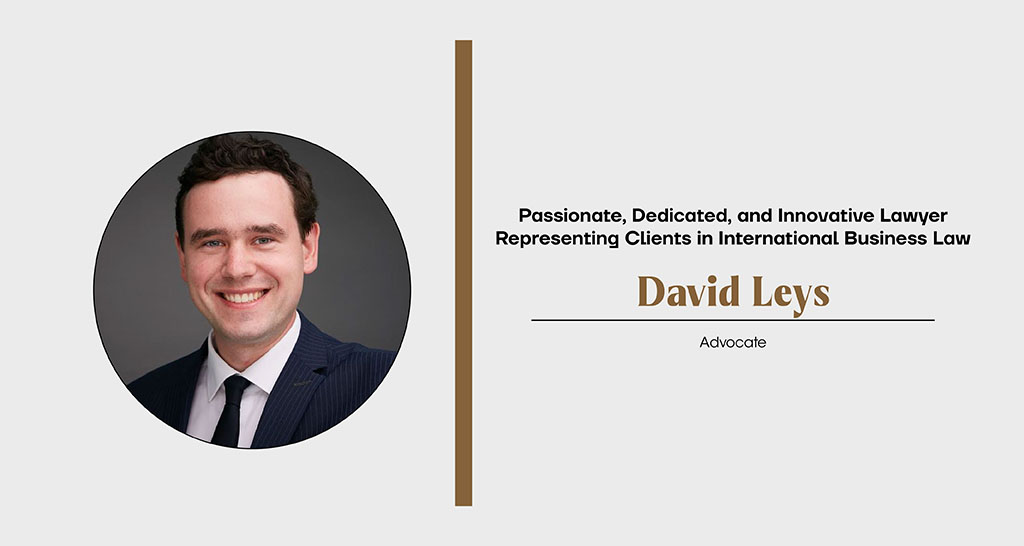
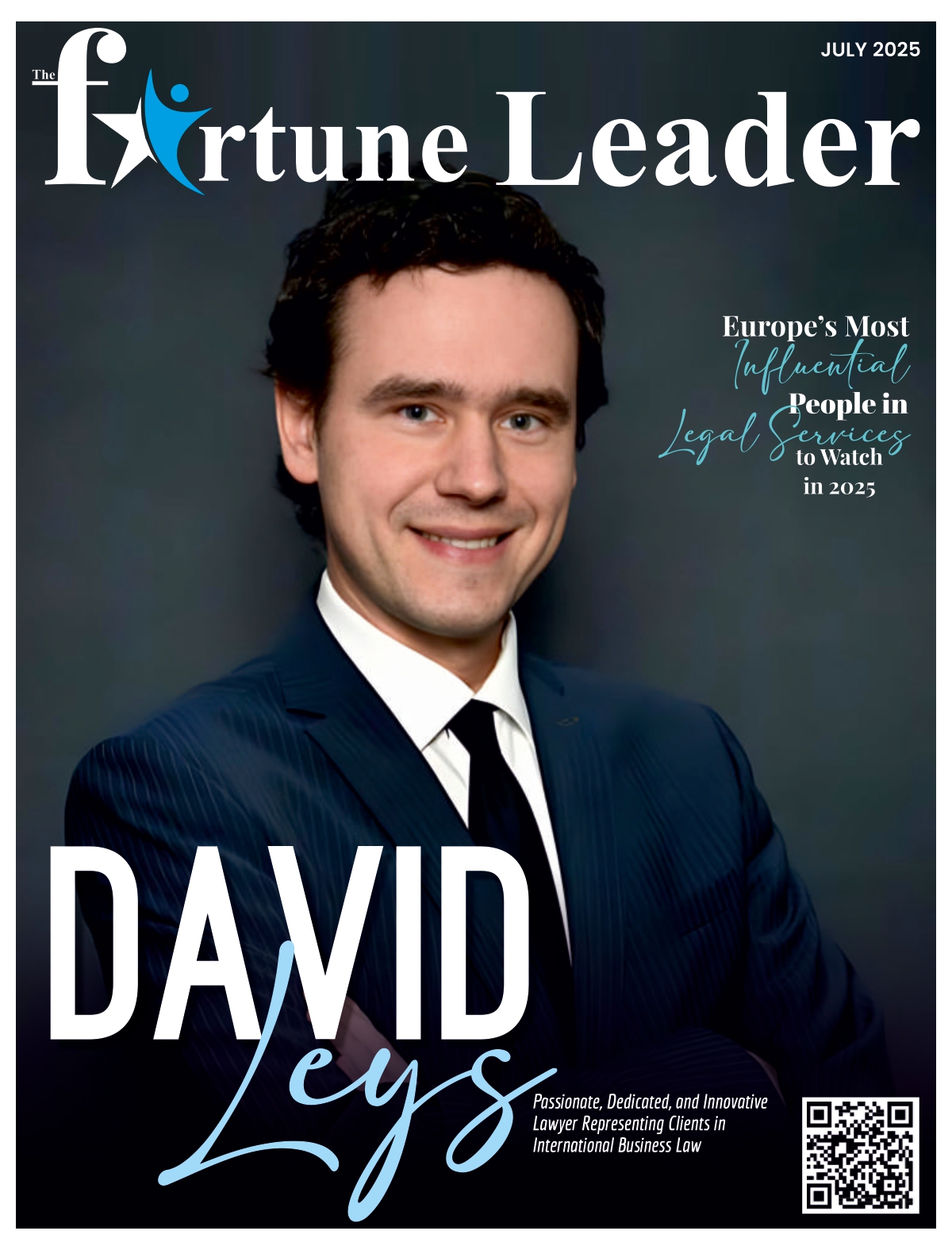
David Leys: Passionate, Dedicated, And Innovative Lawyer Representing Clients In International Business Law

Meet David Leys, a global attorney who is a member of the Brussels Bar, specializing in international trade, data privacy (GDPR), intellectual property, antitrust and competition as well as corporate and commercial contracts. David pursued his legal education at the Université catholique de Louvain, the College of Europe, and Columbia Law School, where he enhanced his knowledge of international regulations and cross-border legal frameworks.

The Professional Journey

David received training at prestigious international firms Sidley Austin and McGuireWoods, where he provided counsel to Fortune Global five hundred companies, governmental bodies, and associations on issues that included trade remedies, customs disputes, and compliance with EU regulations.

Subsequently, David broadened his expertise to encompass data privacy and cybersecurity, serving as an external Data Protection Officer (DPO) and offering strategic advice on intricate GDPR implementation, cross-border data transfers, and the governance of digital risks.

David emphasized that his background in litigation is equally robust, having represented clients in court more than 300 times across various trial and appellate courts in Belgium, specifically in commercial, intellectual property, and contractual issues. This practical courtroom experience shapes his legal strategy and provides clients with a competitive advantage in negotiation, enforcement, or risk management.

At present, David integrates his legal practice with academic research and instruction. As a doctoral researcher at the Université catholique de Louvain, David concentrates on the regulation of digital commerce and emerging technologies such as 3D printing. He frequently contributes to international journals and guides the upcoming generation of legal professionals.

“Having visited 123 countries across all seven continents, I bring a deeply global mindset to my work,” added David.

“My extensive exposure to diverse legal cultures and business environments has sharpened my ability to negotiate across jurisdictions, manage cultural nuances, and deliver strategic legal advice with both precision and diplomacy.”

Area of Specialization

David focuses on five primary domains: international trade, data privacy and cybersecurity (GDPR), antitrust and competition, intellectual property, and corporate and commercial contracts, as these domains constitute the foundation of cross-border commerce and innovation.

Across all these fields, what motivates David is the ability to translate legal complexity into practical solutions and to give clients not only peace of mind, but a strategic edge.

Professional Achievements

One of David’s most notable professional accomplishments has been providing counsel and representation to high-profile clients, which include Fortune Global 500 companies, public institutions, and innovative entrepreneurs across various jurisdictions, all while establishing a practice that merges legal accuracy with strategic insight.

A significant achievement was his participation in a complicated EU merger control case for a Fortune 500 energy corporation, where he managed legal due diligence and competition submissions across multiple nations. This project necessitated the alignment of legal, regulatory, and commercial priorities under considerable time constraints, showcasing his capability to maneuver through EU competition law, internal governance, and geopolitical sensitivities at the highest echelon.

Going with the Trend

David emphasizes that remaining at the forefront of changing legal frameworks is crucial to his work, particularly when providing counsel to clients throughout the EU, the U.S., and international organizations. David addresses this challenge by employing a blend of strategic monitoring, ongoing education, and direct involvement with regulatory advancements.

Addressing the Legal Industry Challenges

David stated that the legal sector in Europe is experiencing significant changes, influenced by rapid regulatory developments, digital innovations, and geopolitical instability. Three specific challenges are particularly noteworthy:

Due to the overlapping layers of EU law, national legislation, and sector-specific frameworks, legal professionals encounter growing challenges in providing clear and harmonized guidance, particularly in cross-border situations. David tackles this issue by cultivating extensive vertical expertise in areas such as trade, data protection, and intellectual property, while also converting intricate legal structures into practical advice customized for each client’s sector and jurisdiction.

Europe is at the forefront of establishing global regulatory standards in data privacy, artificial intelligence, cybersecurity, and platform governance. However, clients frequently find it challenging to balance innovation with compliance. David’s practice is dedicated to closing this gap by creating contracts that comply with GDPR, providing guidance on cross-border data transfers, and analyzing evolving regulations such as the EU Digital Markets Act, the AI Act, and the Data Act with a future-oriented perspective.

Businesses are encountering heightened litigation risks, ranging from intellectual property enforcement to consumer protection and public procurement conflicts. The courts are inundated, and clients are seeking quicker, more strategic methods for dispute resolution. David addresses this by integrating extensive litigation expertise, which includes court appearances in Belgium, with pre-litigation risk evaluation and alternative dispute resolution strategies, enabling clients to resolve issues effectively and in a commercially viable manner.

Incorporating Technology

Innovation and technology are not peripheral to David’s legal practice they are integral to how David deliver value, anticipate risk, and stay ahead of the curve.

Initially, he incorporates legal technology tools into everyday operations to improve efficiency and accuracy. Ranging from contract lifecycle management systems to AI-powered compliance checkers and legal analytics platforms, David employs technology to facilitate document drafting, track regulatory updates in real time, and detect potential issues early in intricate contracts or tenders.

Secondly, he offers legal advice regarding technology. David guides clients on GDPR adherence concerning AI, algorithmic processing, cloud services, and international digital commerce. Additionally, David plays a role in shaping legal perspectives on new technologies, including the effects of 3D printing on trade law and the governance of data transfers within the EU–U.S. framework, through scholarly research and legal analysis.

Thirdly, he adopts a digitally proficient, client-oriented approach. Whether he is advising a startup on licensing strategies, reviewing a SaaS contract, or negotiating intellectual property clauses in a technology merger and acquisition deal, David communicates in the language of innovation. His clients are engaged in rapidly evolving industries ranging from entertainment to energy to digital platforms, and they expect legal counsel that comprehends their business models and anticipates changes in regulations.  

Supporting Future Legal Professionals

Mentorship and leadership are fundamental to David’s approach to practicing law, team building, and contributing to the legal profession. He regards these elements not as optional, but as vital responsibilities, particularly in a legal environment that requires not only technical expertise but also sound judgment, adaptability, and integrity.

As a practitioner, he exemplified leadership: demonstrating strategic thinking, maintaining clarity in high-pressure situations, and committing to excellence in every file he manages, whether for a startup, a government entity, or a Fortune 500 client. However, effective leadership also entails being approachable. David dedicates time to elucidate not only what tasks must be accomplished but also the rationale behind them, while cultivating a learning atmosphere that enables younger professionals to develop with confidence and intellectual rigor.

The Future of Legal Services

The future of legal services in Europe will be shaped by integration, innovation, and purpose. The world is entering an era where legal advice must transcend traditional boundaries geographical, disciplinary, and institutional and evolve into a truly strategic service that enables clients to navigate complexity, harness change, and build trust.

David believes legal services will become increasingly tech-augmented, policy-aware, and impact-driven. European law is no longer limited to the courtroom or the boardroom, it is becoming central to questions of digital sovereignty, sustainable transition, and cross-border governance. Lawyers will need to combine regulatory expertise with geopolitical fluency, technological literacy, and ethical awareness.

Through interdisciplinary practice, scholarly research, and legal thought leadership, David seeks to articulate the characteristics of a next-generation European lawyer: multilingual, adept in cross-border matters, digitally proficient, and knowledgeable in policy. David aspires to create connections between law and technology, the private and public sectors, as well as between legal certainty and commercial innovation.

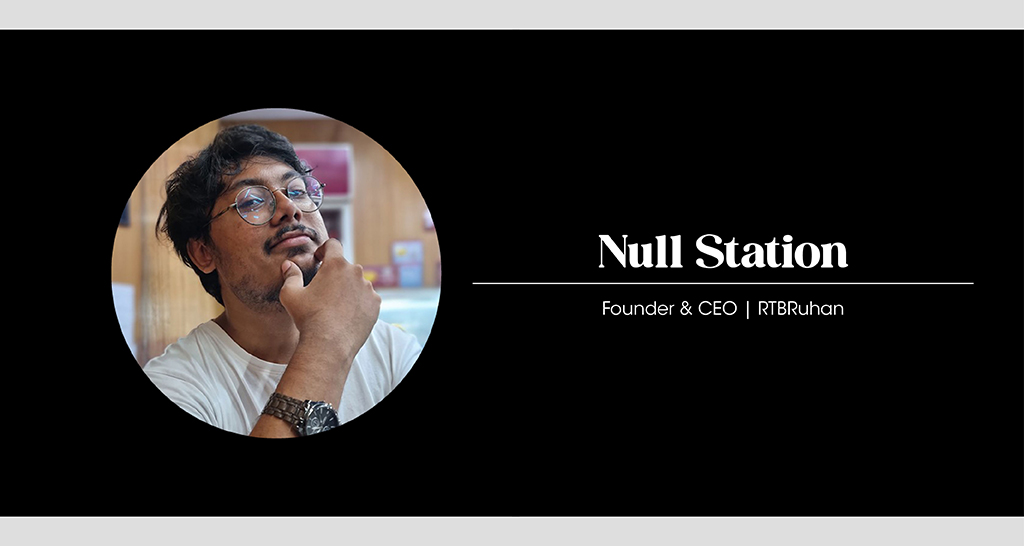
Null Station: Where Creative Animation Meets Strategic Objective

Null Station is a trailblazing 3D animation studio based in Dhaka, Bangladesh, founded in 2021 by RTB Ruhan and Ratul Biswas. With a bold vision to elevate the region’s animation industry, the studio merges creativity with cutting-edge technology to deliver impactful, visually stunning content. Known for pioneering works like XD Bros, Bangladesh’s first 3D animated web series, and Bengal in 1869, the first AI-generated documentary in the country, Null Station continues to push the boundaries of digital storytelling. Their proprietary tools and strategic approach have helped clients achieve over $50 million in sales and fundraising. Recognized for innovation, Null Station is redefining how stories are told through animation.

Inside the Interview

1. Can you briefly share your professional journey and what inspired you to enter the engineering and design services field?

At Null Station, our journey began with a shared passion for storytelling and a vision to revolutionize the animation industry in Bangladesh. Founded in 2021 by RTB Ruhan and Ratul Biswas, we recognized a gap in high quality 3D animation services within the region. Our backgrounds in design and technology, combined with a deep appreciation for visual storytelling, propelled us to establish a studio that not only delivers exceptional animations but also pushes the boundaries of what’s possible in the digital realm.

2. What do you believe sets your organization apart in terms of innovation and client impact?

Null Station stands out due to our commitment to innovation and our client centric approach. We’ve developed proprietary toolsets that streamline our production pipeline, allowing for faster turnaround times without compromising on quality. Our ability to blend traditional animation techniques with cutting edge technology enables us to create content that resonates with audiences globally. Notably, our projects like “XD Bros,” Bangladesh’s first 3D animated web series, and “Bengal in 1869,” the first AI generated documentary, showcase our dedication to pioneering new forms of storytelling.

3. How do you stay ahead of technological trends and integrate them into your services or solutions?

Staying ahead requires continuous learning and adaptability. We invest in research and development to explore emerging technologies such as AI driven animation, virtual reality (VR), and augmented reality (AR). Our team regularly attends international conferences, workshops, and collaborates with tech innovators to integrate the latest advancements into our workflow. This proactive approach ensures that our clients benefit from state of the art solutions that enhance their brand narratives.

4. What has been one of your most challenging projects, and how did you overcome it?

One of our most ambitious projects was “Steve Jobs | Pioneers of Change,” where we recreated a 3D animation of Steve Jobs announcing the iPhone 16, complete with AI generated voice. The challenge lay in authentically capturing the essence of a tech icon while navigating the ethical considerations of AI generated likenesses. Through meticulous research, ethical consultations, and leveraging advanced AI tools, we delivered a project that was both respectful and groundbreaking.

5. Sustainability and efficiency are key concerns today. How do your engineering/design solutions address these issues?

Sustainability is integral to our operations. We employ asset reuse strategies, optimizing resources by repurposing models and environments across projects. Our proprietary tools enhance efficiency, reducing energy consumption during rendering processes. Additionally, by offering virtual solutions like VR showrooms, we help clients minimize physical resource usage, aligning with global sustainability goals.

6. How do you foster a culture of innovation and creativity within your team or organization?

Our studio thrives on collaboration and continuous learning. We encourage team members to pursue passion projects, attend workshops, and share insights from various disciplines. Regular brainstorming sessions and an open door policy ensure that every idea is heard and valued. By cultivating an environment where creativity is celebrated, we empower our team to push creative boundaries.

7. In what ways have client demands evolved over the past few years, and how have you adapted to meet them?

Clients increasingly seek content that not only captivates but also drives specific outcomes like sales growth and fundraising success. At Null Station, we craft tailored 3D animations that align with these objectives, blending creativity with strategic messaging to enhance marketing campaigns and fundraising efforts. Our work has contributed to over $50 million in combined fundraising and sales for our clients in recent years.

8. What emerging trends or technologies do you believe will significantly impact engineering and design services in the next five years?

The integration of AI in animation, real time rendering, and the rise of the metaverse will redefine content creation. Technologies like neural rendering, procedural generation, and immersive AR/VR experiences will become standard. Embracing these trends, we aim to remain at the forefront, delivering innovative solutions that captivate audiences.

9. What advice would you give to future engineers and design leaders who aspire to lead with innovation and integrity?

Stay curious and never stop learning. Embrace interdisciplinary approaches, as innovation often lies at the intersection of different fields. Prioritize ethical considerations, especially when leveraging emerging technologies. Most importantly, remain authentic in your storytelling, as genuine narratives resonate most with audiences.

Company Description:

Null Station is a Creative 3D animation studio based in Dhaka, Bangladesh, offering comprehensive animated solutions for businesses worldwide. Specializing in 3D animated films, game development, and experimental projects, we harness proprietary toolsets to deliver high quality, engaging content. Our notable works include “XD Bros,” the country’s first 3D animated web series, and “Bengal in 1869,” first of its kind AI generated documentary. Committed to innovation and excellence, Null Station transforms complex ideas into visually compelling stories.

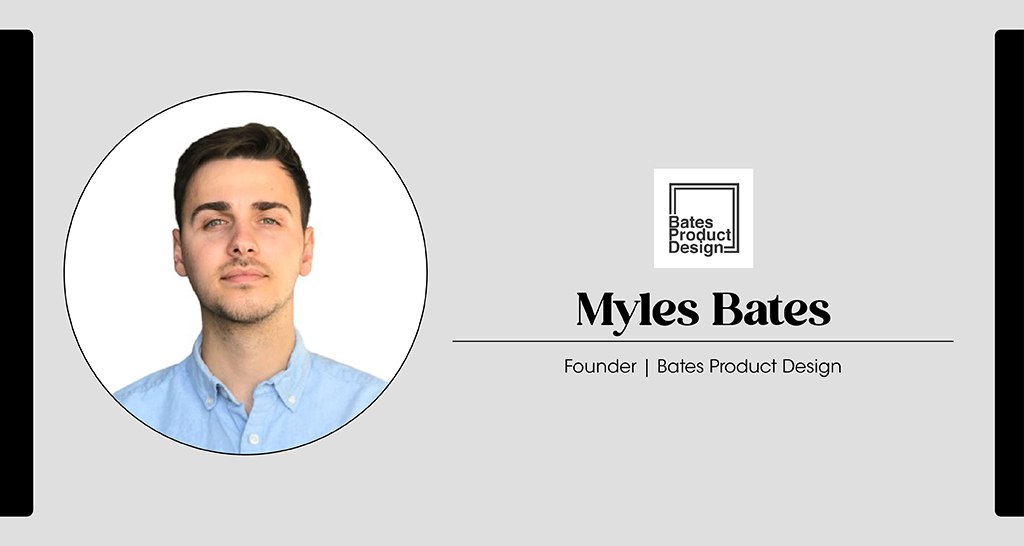
The Innovative Mind Behind Bates Product Design: Myles Bates’ Vision

Myles Bates is the visionary founder of Bates Product Design, bringing a strong foundation in mechanical engineering and medical device design, along with a Master’s in Engineering. With a passion for transforming ideas into market-ready products, Myles specializes in accelerated product development that combines efficiency, creativity, and cost-effectiveness. His expertise spans design, CAD, concept development, and in-house prototyping—empowering startups and businesses to bring their innovations to life. Under his leadership, Bates Product Design has become known for its agile, collaborative, and sustainable approach. Recognized by The Fortune Magazine as one of The Most Innovative Leaders in Engineering and Design Services in 2025, Myles continues to set new standards in the industry.

Inside the Interview

Can you briefly share your professional journey and what inspired you to enter the engineering and design services field?

Bates Product Design Ltd was born from a passion for turning ideas into tangible, meaningful products that improve lives. Our founder, Myles Bates, began as a mechanical engineer with a deep curiosity about how everyday objects are made. After gaining experience across industries—from medical devices to consumer electronics—he noticed a recurring problem: many brilliant product ideas from startups and small businesses never reached the market. The prohibitive cost of design services, coupled with inflexible, cookie-cutter agency models, made it difficult for SMEs to move forward. Myles saw an opportunity to do things differently. By offering a flexible, collaborative model—supported by a network of trusted experts without the overheads of a large agency—Bates Product Design was created to make high-quality design accessible and tailored to each unique project.

What do you believe sets your organization apart in terms of innovation and client impact?

At Bates Product Design, we don’t just design products—we design partnerships. Our client-centred approach sets us apart. We work hand-in-hand with inventors, entrepreneurs, and businesses to truly understand their vision and constraints. This collaborative spirit allows us to offer an agile, transparent, and emotionally intelligent development process. We invest heavily in prototyping and micro-manufacturing capabilities in-house, giving our clients rapid, cost-effective iterations that accelerate development and reduce risk. Our innovation isn’t limited to flashy tech—it’s about solving problems creatively, efficiently, and with lasting impact for our clients.

How do you stay ahead of technological trends and integrate them into your services or solutions?

Staying ahead of the curve is part of our DNA. We actively invest in emerging technologies, including high-speed 3D printing, micro-injection moulding, and digital simulation tools. Our team regularly participates in industry events, webinars, and technology showcases to ensure we’re not only aware of trends but ready to implement them effectively. By integrating these technologies into our workflow—such as using AI-assisted CAD tools or automating parts of our prototyping process—we improve speed, accuracy, and cost-efficiency for our clients.

What has been one of your most challenging projects, and how did you overcome it?

One of our most rewarding and challenging projects to date has been the development of Tidelight, a sustainably designed, UK-made ambient light. The vision was ambitious: design and manufacture the entire product within the UK using local suppliers and eco-friendly materials. We collaborated closely with trusted partners—including PCB manufacturers, traditional wood turners, and 3D printing experts—to develop the product. Every detail was thoughtfully sourced and tested locally, ensuring the design stayed true to its sustainable ethos. Thanks to this collaborative, community-driven approach, Tidelight successfully raised over £22,000 in pre-sales and is now available for pre-order at tidelight.co.uk. It’s a testament to what’s possible when sustainability and local innovation are at the heart of product development.

Sustainability and efficiency are key concerns today. How do your engineering/design solutions address these issues?

We embed sustainability into every phase of our development process. From material selection to manufacturing methods, we prioritise solutions that reduce waste, energy consumption, and environmental impact. We often guide our clients towards using recycled or recyclable materials and design for disassembly where possible, allowing for easier repair or recycling. Efficiency is also key—optimising part counts, simplifying geometries, and choosing local manufacturing options help us cut down lead times and reduce the carbon footprint of our designs. We also collaborate with several environmentally focused manufacturers who help thrive at brining our environmentally friendly products to life.

How do you foster a culture of innovation and creativity within your team or organization?

Our team thrives on openness, experimentation, and continuous learning. We encourage all team members, regardless of role, to contribute ideas and explore new approaches. Regular design sprints, collaborative sketching sessions, and technology demos keep our creative energy flowing. We’ve built a psychologically safe environment where ‘failing fast’ is seen as a valuable step in the innovation process. This culture allows us to maintain a high level of engagement and creativity across everything we do.

In what ways have client demands evolved over the past few years, and how have you adapted to meet them?

Clients today are more design-aware and environmentally conscious. There’s growing demand for end-to-end support, from idea validation to full-scale production. Many are asking for sustainable materials, rapid development, and cost-effective manufacturing solutions. Crucially, we’ve seen an increase in clients wanting UK-based design and manufacturing. In response, we’ve built strong partnerships with local manufacturers to streamline development. This allows us to test products live on-site, shorten production lead times, and ensure a seamless transition from prototype to market—all while supporting local industry and reducing environmental impact.

What emerging trends or technologies do you believe will significantly impact engineering and design services in the next five years?

We anticipate that AI-assisted design tools, generative design, and digital twins will become standard in the industry. These technologies allow for faster iteration, performance forecasting, and data-driven decision-making. Additionally, the growth of decentralised, small-batch, and on-demand manufacturing will revolutionise product development for startups and SMEs. The integration of emotional and behavioural insights into design will also continue to gain traction, helping brands deliver more human-centred, emotionally resonant products.

What advice would you give to future engineers and design leaders who aspire to lead with innovation and integrity?

Stay curious, stay humble, and always listen—especially to the people who will use your products. Innovation isn’t just about technology—it’s about empathy, practicality, and impact. Integrity means being honest about what’s feasible, guiding clients with care, and making decisions that benefit both people and the planet. Surround yourself with diverse voices, embrace iterative learning, and don’t be afraid to challenge convention. Real leadership in design means being bold enough to do things differently—and kind enough to bring others along with you.

Rafiu Dada Sadiku: A Professional Undertaking Major Engineering Projects From Inception To Implementation

Established in 1996, RDS Associates Consulting Engineers, Inc. is a comprehensive design engineering firm specializing in mechanical, electrical, plumbing, and fire protection services. Located in New Jersey, RDS has successfully executed significant engineering and building services design projects throughout the Northeast United States, serving both public and private clients with construction costs exceeding $30 million. Furthermore, the firm maintains an affiliation with the Chartered Institution of Building Services Engineers in the United Kingdom.

The Differentiating Factor

As a Professional design firm, RDS Associates adhere to the same regulatory standards and ethical codes as other affiliated organizations governed by state and professional licensing boards. Throughout 28 years of operation, RDS Associates has maintained a clean record, having never faced litigation or inquiries from any oversight body, thereby ensuring compliance with all necessary regulations and guidelines.

Moreover, nearly all the numerous projects undertaken during this timeframe have successfully adhered to the necessary public health, welfare, and safety standards. This represents a significant advancement in an industry where many associated companies have ceased operations and are encountering various difficulties in the aforementioned areas. Therefore, it is essential to highlight that the standards of quality control, quality assurance, due diligence, integrity, credibility, transparency, and the careful evaluation of potential clients to prevent setbacks are crucial in achieving this objective up to the present time.

Implementing Sustainability

In alignment with sustainability objectives, the firm’s aim is to adopt various measures. RDS Associates employs certified professionals across all key areas, including energy audits, LEED certification, and management. Since the firm’s establishment, all design documents have consistently met or surpassed the standards set by regulatory agencies within the industry, and the firm has a proven history of securing grants for clients by adhering to these standards in construction documents from leading utility companies.

Currently, the standards for sustainability have been significantly elevated, contingent upon governmental regulations and guidelines. This includes the adoption of natural gas as a substitute for fossil fuels in heating, the installation of solar photovoltaic systems to meet power supply needs in various buildings, and the selection of building materials that enhance indoor air quality (IAQ). The widespread implementation of energy-efficient lighting solutions, which encompasses controls such as daylight harvesting, occupancy sensors, monitoring of carbon dioxide levels, and dimming capabilities, has become a standard practice in the industry, yielding substantial energy savings for clients and facilities. Additionally, the design and application of net-zero buildings are increasingly prevalent across the sector. Ultimately, the evolution of sustainability is closely linked to the availability of technology, resources, and the decreasing costs of installation for end users.

The Contemporary Challenges

Upon reflection and with accumulated experience, RDS Associates has identified cash flow management and the collection of receivables from various clients as significant challenges within the industry This issue is prevalent in the profession, where projects typically involve a consortium of design firms, with one firm designated as the lead, responsible for overseeing financial resources, milestones, and deliverable standards.  RDS is accredited and rated as A+ by Better Business Bureau (BBB) since 2012 as a testimony of the firm’s financial integrity and business savvy credibility.

If the lead firm fails to adequately fulfill its obligations whether through error, omission, or commission the entire team may experience negative repercussions due to the bandwagon effect. Additionally, another challenge arises from the detrimental impact of permitting contractors to assume the lead role over design professionals to minimize construction costs.

The most recent and serious challenge being faced in the industry is in the area of insurance coverage for both general and professional liability for design firms. Furthermore, there are numerous litigations from the industry based on building collapse and structural failures including but not limited to liquidated damages being sought against firms as per delays in the execution and close-out of projects in the areas of anticipated lead times at the onset of original construction and permit contracts. Our firm RDS Associates have not been found liable or wanting on these issues as of date.

The Innovative Approach

The engineering approach in general is holistic, conservative and comprehensive; however, RDS has consistently demonstrated a commitment to innovation by offering clients a variety of design strategies, equipment, devices, funding sources, excellent standard of care and applications. This enables projects to navigate implementation challenges, adhere to timelines, and achieve cost efficiencies. A prime example is the case of residential rental properties in New York City, where RDS Associates advise property owners against installing gas appliances in apartments. Instead, they recommend using Variable Refrigerant Flow (VRF) or Heat Recovery systems heat pumps for heating and cooling, while domestic hot water and cooking needs are met with electric appliances, ensuring that all utility expenses are borne by the tenants.

While this design approach may lead to increased energy costs reflected in electrical utility bills, it simultaneously presents an opportunity for enhanced environmental sustainability. With the growth of renewable energy sources, the availability and competitive pricing of electrical supply are expected to improve, contrasting with the perceptions of electrical appliances and heating systems from a decade ago. Furthermore, this construction method is anticipated to be more cost-effective and efficient upon completion.

The Growth Over Years

Over the last decade in general there is a growth in the development and renovation of the decaying educational infrastructure at state or public level, mixed-use buildings and parking garage structures in urban centers. In addition, the expansion of the information technology, artificial intelligence (AI)  sector and creation of new data and wireless capabilities is a major driving force in many data centers’ and building classifications.

Furthermore, the acceptance of the green building, sustainability, renewable energy and need to cut energy consumption across the board is another source of many design projects all over the world and we should not forget the climate change, carbon emission control benchmark guidelines. Also, there is the Design/Build or Engineering Procurement and Construction (EPC) Contract format that is getting more prevalence in the industry in the last two decades.

Clientele

RDS have clients such as agencies, private investors or developers, sometime contractors and other allied professionals in most cases architects or engineering firms in other disciplines.

The Road Ahead

RDS have been evolving and more on the spot or just-in-time management technics and strategies in the operation and financial contracts that greatly harness our competitive abilities in bidding and sourcing our project marketing and execution in the challenging economic environment we are facing today. In fact, many projects from cradle to grave in the industry extend beyond four years average, thus many of RDS current design projects still have a lot of oxygen in their breath. RDS have currently exploring international registration with multiple agencies via pre-qualifications as an ongoing exercise and expansion of the clientele base.

The Final Thoughts

The parting message on this noble award and recognition is to thank FORTUNE for  giving RDS the opportunity to showcase its capabilities and future endeavour in the engineering design and building industry. It is an additional feather to the cap as per the previous awards from Engineering News-Record (ENR) and other professional or corporate entities.

One important thing to note is that the future generation should strive to build the industry to meet the future of sustainable world as it depletes the limited resources. Major equipment and devices RDS have today came because of space exploration in the 1960s. “you may not get value or reward for all you work for on this earth, but you must definitely work for all you earn,” concluded Rafiu Dada Sadiku.

🌐 Explore R D S Associates👉 – Company Website

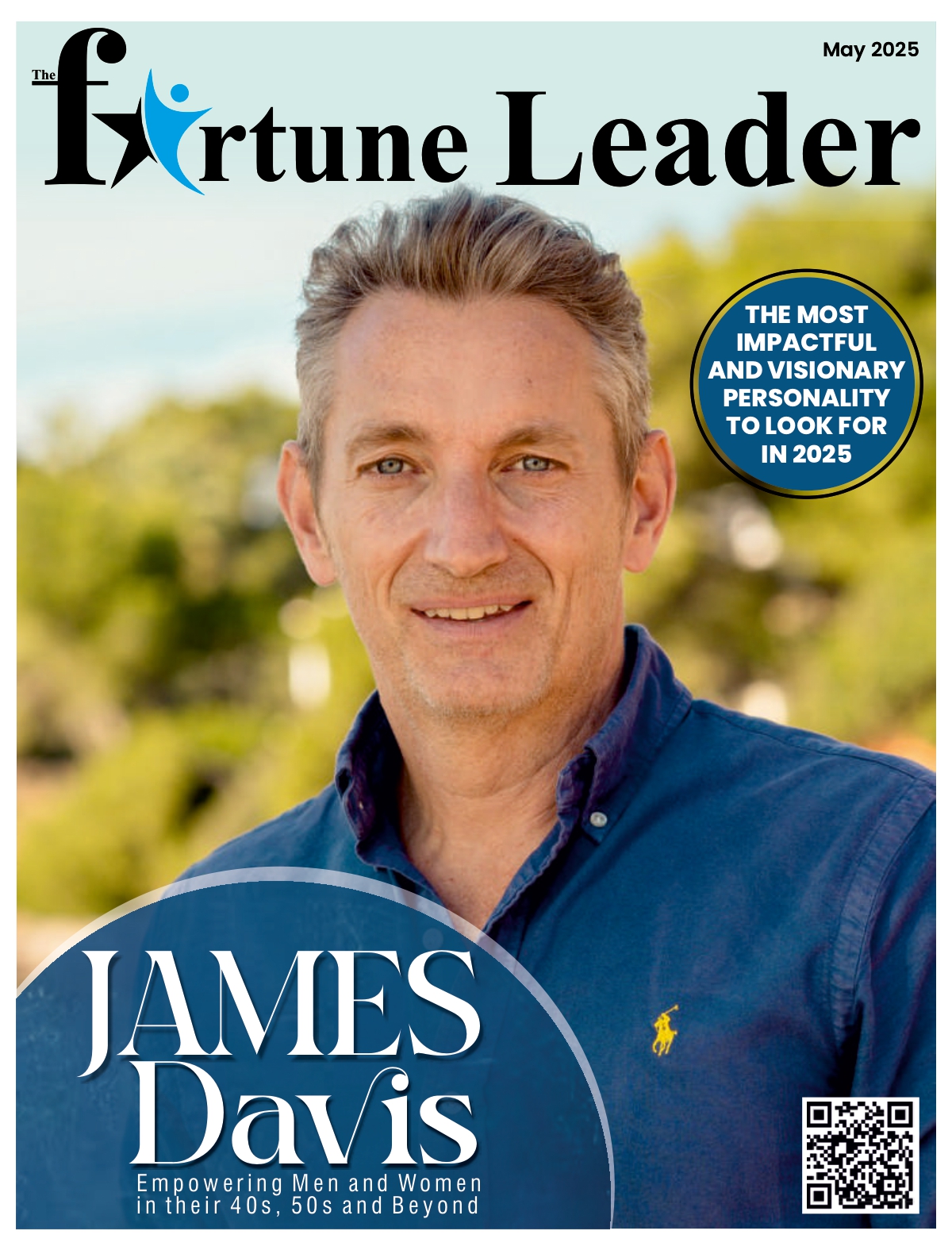
James Davis: Empowering Men And Women In Their 40s, 50s And Beyond

The Midlife Mentors emerged from a combination of frustration and opportunity. This frustration arose when James Davis, upon entering his forties, recognized that much of the conventional health, fitness, and mindset guidance either overlooked individuals in his age group or condescended to quick-fix solutions that fail to be effective when hormones, career demands, and family obligations intersect. 

The potential exists because James Davis recognized the significant impact of evidence-based coaching when it is customized to address the challenges of mid-life, including limited time, physical changes, and the aspiration to regain a sense of purpose alongside the goal of reducing body fat.

James Davis and his wife Claire were already engaged in this field, conducting retreats and coaching individuals. They aimed to develop a program that integrates scientifically supported fitness, nutrition, and mindset strategies with direct accountability and a sense of community.

The Mission

The primary objective was straightforward: to enable individuals in their 40s, 50s, and beyond to regain authority over their health, self-assurance, and life trajectory, transforming midlife into a springboard rather than a decline.

The Midlife Mentors emphasize practical, evidence-based strategies and sustainable habit transformation rather than striving for perfection. Furthermore, they cultivate a supportive community free from judgment, where clients feel acknowledged, encouraged, and appreciated.

Ultimately, The Midlife Mentors aspire for each client to complete the programs with the conviction that their finest years lie ahead, and they possess the necessary tools to seize them.

The Clients Feedback

Immediately following a keynote presentation on hormone health and the mindset during mid-life, a gentleman in his early fifties approached me, extended his hand, and remarked, ‘I believe the insights you provided have just salvaged my marriage.

He articulated that both he and his spouse had been attributing their low energy, irritability, and emotional distance to one another, which had infiltrated their relationship. Learning that mid-life hormonal changes are genuine, quantifiable, and, crucially, manageable provided him with the necessary vocabulary, resources, and optimism. He departed with a resolve to address the matter collaboratively rather than as two separate, exasperated individuals.

That one statement encapsulated the reason for my work: the true measure of success lies in the quality of individuals’ relationships with themselves and their loved ones. When knowledge ignites such reconnection, the discussion is deemed successful even before I have closed my laptop.

Major Initiatives

James Davis released his book The Midlife Male Handbook: A Man’s Guide to Thriving Through Andropause earlier this year and it has had a great response. He continues to champion men’s health and is working with forward thinking organisations like Google, Shell, CitiBank, Deutsche Bank to increase awareness.

James is also active with support groups like ManUp? and he is speaking and delivering workshops at several festivals and events this year. Aside from that Claire and James have a publishing deal for another book and cannot say anything yet but working on it now.

Achievement

A notable initiative that The Midlife Mentors takes pride in is the 2020 introduction of ‘The Midlife Reset,’ a comprehensive coaching program consisting of six pillars aimed at helping individuals in midlife transition from merely surviving to truly thriving during a global pandemic.

Recognizing that lockdowns would exacerbate stress, weight gain, and a sense of lost purpose among this demographic, The Midlife Mentors developed a coaching approach that combined evidence-based habit change techniques with a tailored application.

This app served as the central hub: clients monitored micro-habits, sleep patterns, nutrition, and emotional well-being; received timely reminders based on ‘nudge science’; and submitted weekly reflections on their alignment with personal values, objectives, and achievements.

The Future Work Culture

The influence of technology, particularly artificial intelligence, is poised to significantly transform workplace culture in various ways. One emerging facet of AI is the hyper-personalized employee experience, facilitated by generative AI co-pilots. According to McKinsey’s 2025 study titled ‘Superagency in the Workplace,’ nearly all large corporations are investing in AI; however, only one percent believe they have achieved maturity in this area. The disparity between expenditure and value is expected to diminish as HR platforms leverage large language models to provide timely learning opportunities, compose recognition messages, and identify attrition risks, thereby allowing managers to foster deeper human connections that algorithms cannot replicate.

The Road Ahead

In the coming years, The Midlife Mentors will intensify their efforts to enhance their reach and influence by broadening their evidence-based workshops and performance programs across additional corporate campuses, participating in a greater variety of conferences and media platforms to ensure that ageism remains a priority for executives, and promoting mid-life as a significant strategic asset.

In conjunction with its corporate expansion, The Midlife Mentors is enhancing personal transformation through exclusive retreats that integrate advanced scientific principles with community support, while also compiling their findings into a new publication aimed at making their methodology more widely available. Additionally, the fitness organization is intensifying its policy and advocacy efforts to influence governmental and industry standards that foster inclusive, age-conscious talent practices, while also promoting preventative health to ensure that individuals in midlife can excel both professionally and personally.

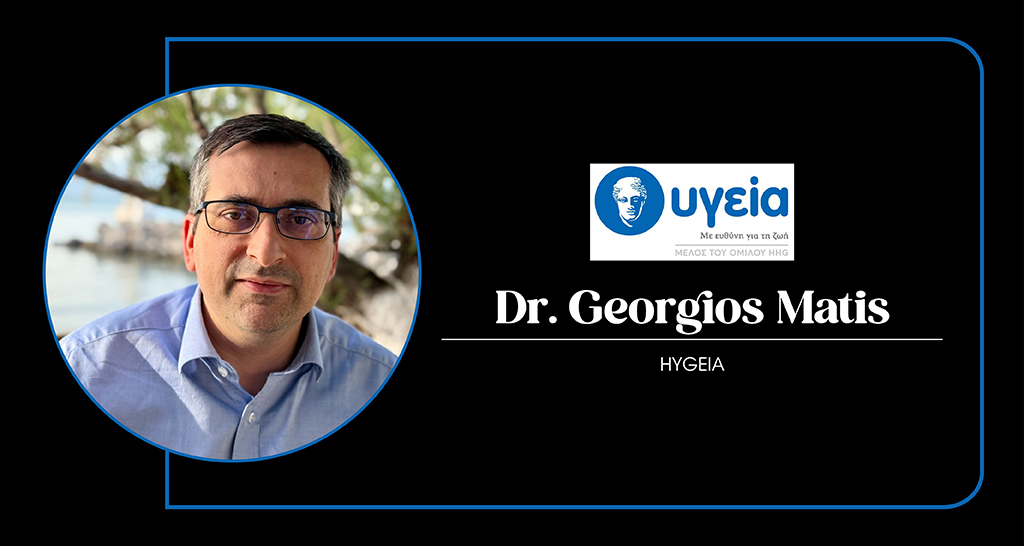
Dr. Georgios Matis: Revolutionizing The Field Of Neuromodulation And Pain Relief

Can you tell us about your current role and the types of patients you work with?

For 11 years, I had the privilege of working at the University Hospital Cologne, where from 2018 to 2025, I led the Pain and Spasticity Section within the Department of Stereotactic and Functional Neurosurgery. Starting on September 1st, I will join HYGEIA Hospital in Athens, Greece, where I will continue my mission of improving patients’ quality of life through advanced neuromodulation therapies. I treat individuals suffering from chronic pain and spasticity, always with empathy, precision, and innovation. As Heraclitus said, ‘There is nothing permanent except change.’ Embracing this change allows me to bring cutting-edge care to my home country and support chronic pain and spasticity patients with renewed passion and dedication.

What were the initial hurdles you encountered in establishing or advancing this section, and how did you overcome them?

One of the primary hurdles was fostering interdisciplinary trust and awareness about the value of neuromodulation within a traditional clinical framework. Convincing colleagues and administrators required persistence, education, and the demonstration of tangible patient outcomes. I focused on building a solid foundation through scientific evidence, compassionate care, and transparent communication. With unwavering commitment, I created a culture of collaboration and innovation—turning skepticism into support. The greatest victories often begin with the hardest challenges.

Please walk us through your leadership journey in the medical field—what inspired you to take on a leadership role in pain and spasticity care?

Leadership in pain and spasticity care was a natural evolution of my passion for patient-centered neuromodulation. Early in my career, I was mentored by visionary pioneers who showed me that true leadership means serving others—patients, colleagues, and the field itself. I was driven by the need to advocate for underutilized therapies and to build bridges between innovation and clinical practice. Leading means empowering others, shaping systems, and never ceasing to learn. As Aristotle said, “He who has overcome his fears will truly be free.” I strive to lead with courage, empathy, and responsibility, ensuring that each patient has access to the most advanced, evidence-based treatments that can restore dignity, function, and hope.

What qualities or values do you consider essential for medical leadership in today’s fast-evolving healthcare environment?

Medical leadership today requires a fusion of clinical excellence, ethical integrity, and visionary thinking. In a rapidly evolving healthcare landscape, adaptability, empathy, and interprofessional collaboration are indispensable. A true leader must inspire trust, empower teams, and advocate for innovation while always prioritizing patient well-being. As Heraclitus wisely said, “The only constant in life is change.” Embracing this truth allows leaders to navigate complexity with resilience and clarity. Leadership is not about authority—it is about responsibility, humility, and the unwavering commitment to improve lives through knowledge, compassion, and courage.

What are some of the most innovative treatments you use for managing chronic pain?

In our interdisciplinary approach to chronic pain management, we employ a range of cutting-edge neuromodulation techniques tailored to individual patient needs. These include spinal cord stimulation—both traditional and closed-loop systems—offering precise, adaptive therapy; intrathecal drug delivery, which allows targeted, low-dose analgesia with minimal systemic side effects; radiofrequency procedures for selective nerve modulation; and peripheral nerve stimulation, particularly valuable for localized neuropathic pain. These minimally invasive therapies restore function and dignity, often where conventional methods fail. As Hippocrates said, “Healing is a matter of time, but it is sometimes also a matter of opportunity.” We aim to provide that opportunity through innovation, compassion, and scientific rigor.

Can you highlight a specific leadership challenge you’ve faced in your career and how you managed to resolve it?

One of the most defining leadership challenges I faced was integrating a multidisciplinary neuromodulation program within a traditionally conservative hospital environment. Resistance to change and skepticism towards novel technologies were significant. I addressed this by fostering open dialogue, emphasizing evidence-based outcomes, and involving all stakeholders in the process. Through persistence, transparency, and shared purpose, we built trust and transformed initial resistance into active collaboration. Today, this program is a cornerstone of the hospital. True leadership lies in guiding others through change—not with authority, but with vision, empathy, and unwavering commitment to patient care.

What role does teamwork play in your daily practice, especially with professionals from different fields?

Teamwork is the cornerstone of my daily practice. In the complex field of neuromodulation, true progress arises from synergy—where neurosurgeons, anesthesiologists, nurses, physiotherapists, and psychologists contribute their unique expertise toward one common goal: improving the patient’s quality of life. This interdisciplinary collaboration is not merely coordination; it is a dynamic exchange that enhances decision-making and patient outcomes. As Aristotle wisely said, “The whole is greater than the sum of its parts.” It is in this spirit that we transform challenges into solutions, ensuring that every patient receives holistic, individualized care.

What advice would you give to young doctors and students who want to specialize in neurosurgery or pain medicine?

Passion is the foundation of a meaningful career in neurosurgery and pain medicine. This path demands dedication, resilience, and a deep commitment to alleviating human suffering. My advice to young doctors is to stay curious, seek out mentors who inspire you, and never lose sight of the patient at the center of every decision. Embrace every opportunity to learn—from the operating room to the bedside—and remember the words of Socrates: “The only true wisdom is in knowing you know nothing.” Let your passion guide you, your humility ground you, and your empathy elevate the care you provide. This is not just a profession—it is a lifelong calling to serve.

Recently, my three books have been released: “Intrathecal Therapy and Ziconotide: A Comprehensive Guide for Pain Management,” “From Surgeons to Storytellers: Building Bridges with Patients in Neuromodulation,” and “Pain and Pulses: A Philosophical Dive into Spinal Cord Stimulation.”

📌 Visit Dr. Georgios Matis 👉  – LinkedIn Profile