Examining The Financial Strategies Of Symbolic Hospitality Establishments

Renowned hotels and resorts, for example, are iconic hospitality establishments that need to employ complex financial techniques to be profitable and uphold their reputation. Due to the particular difficulties these institutions face such as high running expenses, erratic demand, and intense competition carefully considered financial planning is necessary.

The diversification of revenue streams is one important tactic. Iconic establishments frequently branch out into new markets like gourmet dining, event hosting, and spa services, even though their traditional source of income is hotel reservations. Providing unique experiences, like famous chef collaborations or opulent spa treatments, draws in a larger audience and brings in more money.

Using brand strength to justify higher prices is another crucial tactic. These establishments establish a reputation for elegance, which enables them to charge more for services and accommodations. Furthermore, VIP memberships and loyalty programs may establish enduring connections with customers, guaranteeing consistent income even during off-peak times.

Cost control is also essential. Renowned hospitality companies make significant investments in state-of-the-art facilities, technology, and employee development, but they also have to control operating expenses. One way to cut costs without compromising quality is to use technology for staffing and inventory management, as well as energy-efficient system implementation.

Finally, strategic alliances and cooperative efforts are essential. Profitability can be increased by coordinating with well-known companies, travel agencies, or cultural events to increase awareness and offer marketing opportunities.

Iconic hospitality establishments maintain their illustrious reputation while simultaneously adjusting to market shifts and assuring long-term financial viability by implementing these varied financial strategies.

What Is Bancassurance And How Does It Help Customers?

Through the relationship known as bancassurance, financial institutions can provide insurance products in addition to their standard banking services. By fusing the security of insurance with the ease of banking, this integrated strategy offers clients a smooth experience. Here’s a closer look at bancassurance and its advantages for clients.

What is Bancassurance?

The practice of banks working with insurance companies to distribute insurance products through their branches or online is known as bancassurance. With the use of this approach, the bank may provide a variety of insurance products, including as life, health, and property insurance, by utilising its current infrastructure and customer base.

How It Benefits Customers

Convenience

The ease of obtaining banking and insurance services from a single source is provided by bancassurance. Clients can handle both their insurance and financial affairs with the same organisation, which saves time and eliminates the need for several accounts and interactions.

Tailored Solutions

Banks are well knowledgeable about the financial demands and profiles of their clients. They can provide customised insurance solutions through bancassurance, including combining a savings account with life insurance or a home loan with property insurance.

Streamlined Processes

The application and claims procedures are streamlined by the combination of banking and insurance services. Due to the smooth connection between the bank and the insurance provider, customers benefit from less complicated paperwork and quicker processing times.

Enhanced Customer Service

Bancassurance offers its clients devoted relationship managers who can offer tailored guidance and assistance for their banking and insurance requirements. A more thorough service experience is ensured by this all-encompassing approach.

Conclusion

Customers can benefit greatly from bancassurance because it offers a convenient, integrated service that combines insurance and banking. Bancassurance improves customer experience by meeting a variety of financial needs with customised solutions and efficient procedures by utilising the bank’s existing infrastructure and client relationships.

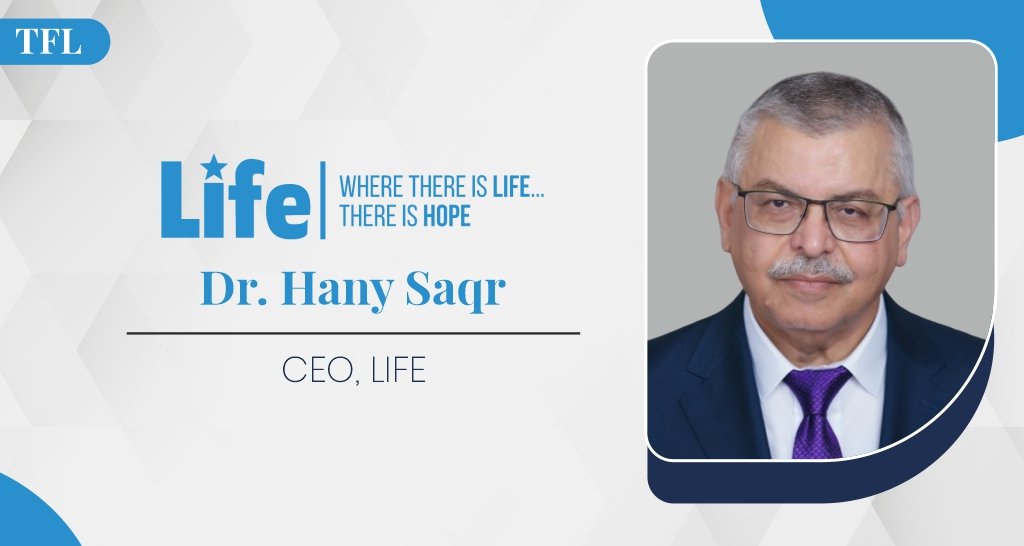
LIFE: Promote Dignity Among Those Affected By Crises

The humanitarian services are influenced by several key factors, including geopolitical dynamics, climate change, technological advancements, and evolving donor expectations. Ongoing conflicts, such as those in Ukraine, Syria, and Sudan, continue to drive significant humanitarian needs, including emergency relief and long-term support for displaced populations. Natural disasters exacerbated by climate change are increasing the frequency and intensity of humanitarian crises. Events like floods, droughts, and hurricanes create urgent needs for relief and recovery efforts. LIFE for Relief and Development was born out of a collective vision to provide sustainable solutions to communities in need. Founded in 1992 on the principles of compassion, integrity, and equality, LIFE started as a small initiative and has grown into a global movement.

The inception story

“Our main goal is to stop suffering and promote dignity among those affected by crises through emergency relief, medical care, education, clean water initiatives, community development, family assistance, and refugee support. In the last three decades, LIFE has distributed just under $600 million in global humanitarian aid. For its efforts, it has earned a 99% rating on Charity Navigator, is recommended by USAID, and was voted one of the top humanitarian organizations in the U.S. by Impactful Ninja. Our inception story is one of hope, where a dedicated team came together to turn adversity into opportunity, laying the foundation for a future where our common humanity comes first,” says Dr. Hany Saqr, CEO, LIFE.

The man behind the curtain

Dr. Hany Saqr is driven by a desire to help people. His journey began as a physician, where he saw the profound difference that compassion and care can make. This experience sparked a passion in him to extend his efforts beyond individual patients and into broader humanitarian work. Moving into the non-profit sector allowed him to channel his skills and energy into tackling some of the world’s most pressing challenges.

The differentiating factor

“Our unique selling propositions include our holistic approach to humanitarian relief, our emphasis on empowering communities through education and sustainable development, finding solutions to urgent needs that are culturally relevant and based in the community, and our ability to swiftly mobilize resources in times of crisis.

We also pride ourselves on transparency and accountability, maximizing every donation and ensuring that it goes towards helping the people we serve. Our innovative use of technology, such as data analytics and satellite imagery, revolutionizes our approach to aid distribution, ensuring rapid and precise delivery while growing local economic growth and community engagement.”

The initial challenge

“One of the significant challenges LIFE faced was during the early days of our expansion, was scaling our operations without compromising on quality. We addressed this by investing in partnerships that shared our vision. Having a diverse and strong network has allowed us to increase the quality of our work while still reaching farther and helping more people. Additionally, navigating legal and political complexities in crisis zones has required persistent advocacy, strategic diplomacy, and strong local partnerships to ensure the impartiality and effective delivery of our aid.”

Leveraging technology

“We are at the forefront of integrating technology into our humanitarian efforts. From utilizing AI to enhance logistics and distribution, to employing digital platforms for transparency and communication, we ensure that we are using every technological advancement at our disposal to amplify our impact. These innovations allow us to deliver aid more efficiently, monitor progress in real-time, and engage with our donors and beneficiaries in meaningful and effective ways. We have also digitalized our operations and updated our software to streamline processes and reach more potential donors,” says Dr. Hany.

A sustainable approach

“One of a business leader’s roles is being a steward of positive change. At LIFE, we integrate social and environmental consciousness into our strategies by promoting sustainable development practices, reducing our carbon footprint, and initiating programs that uplift underprivileged communities. An example of this is our water well projects. We have built hundreds of water wells all over the world using the latest technology. We assess each area for the best, and most environmentally friendly clean water solution that will last well into the future.”

Achievements

With over 13,000 orphans under its sponsorship, LIFE provides essential support to children worldwide. The Orphan Sponsorship Program ensures they receive food, shelter, and education. Special events like the Global Orphan Party bring joy to these children, offering fun, games, and gifts to show them they are valued and cherished. The 2024 Global Orphan Party that took place in June hosted 7,871 orphans worldwide.

In times of crisis, LIFE’s Emergency Relief Program responds quickly by delivering clean water, food, clothing, hygiene products, bedding, shelter, and other essentials. In 2023 alone, LIFE assisted 27,000 individuals affected by global emergencies. LIFE addresses healthcare needs by distributing medical supplies, setting up clinics, and upgrading facilities. In 2023, we distributed $16 million worth of medical supplies. The ‘Here to Hear’ project supports the hearing impaired with essential services, this program installed 500 hearing aids in 2023.

LIFE’s clean water initiatives are crucial, especially in Gaza. With 2.2 billion people lacking safe drinking water. LIFE has built over 850 clean water wells worldwide, helping to break the cycle of poverty and improve health.

The Education Program ensures that children have access to school supplies, equipment, and education through school construction, scholarships, and operational support. Our most recent education project is building tent classrooms in Gaza. Many children in Gaza do not have the ability to go to school due to the ongoing crisis. LIFE decided to change that and provide tents, chalkboards, desks, chairs, school supplies and trained teachers to children of displaced families living in camps in Gaza.

In our Community Development efforts, LIFE constructs infrastructure such as community centers, medical clinics, schools, and water wells, growing self-sustaining environments in underdeveloped areas. The Family Assistance Program supports vulnerable single mothers and disabled heads of households with monthly essentials and opportunities to rebuild their lives after experiencing loss. LIFE’s Winter Relief initiative provides warmth and essential supplies to displaced communities facing harsh winters, including those in Afghanistan and Syria. For individuals displaced by conflict and disaster, LIFE’s Refugee Assistance program offers vital support, including food, water, healthcare, housing, and education, to help them rebuild their lives and find stability.

Advice to the future leaders

“Lead with purpose and integrity. Understand that true leadership is about service and making a difference in the lives of others. Stay adaptable, be willing to learn, and never lose sight of your objectives. The work you create is a direct reflection of the values you hold dear. Embrace innovative thinking, encourage collaboration, and remain committed to continuous improvement,” adds Dr. Saqr.

The bottom lines

LIFE’s mission is deeply rooted in the belief that saving lives should be a priority of all mankind. For this reason, LIFE is dedicated to alleviating human suffering regardless of race, color, religion, or cultural background. In response to poverty, famine, social and economic turmoil, natural disasters, war, and other catastrophes, LIFE works to provide assistance to people across the globe by offering humanitarian services such as food, water, and temporary shelter as well as healthcare and education. “Additionally, our recent expansion, including new offices in Yemen, Kenya, Malaysia, and Somalia, are exciting new venture that will enable us to reach more marginalized communities and enhance our global impact,” concluded Dr. Hany.


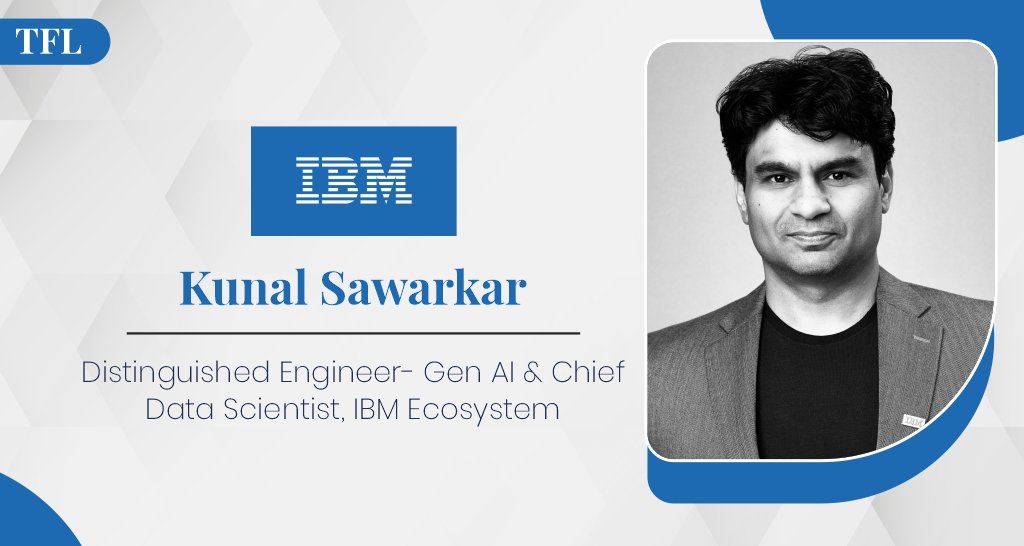
IBM: Solving The World’s Problems Through AI

IBM, with a 100-year history, is now focused on Hybrid Cloud and AI as the central pillar. The AI Partner Ecosystem plays a crucial role in its global strategy. Within the AI ecosystem, IBM acts as a build partner to conduct AI R&D for its partners, helping them embed AI into their software products. These partners range from large, strategic companies like SAP and Adobe to hundreds of startups just beginning their journey. The AI ecosystem serves as their engineering and R&D partner, not only co-creating but also co-investing and co-marketing.

The partner ecosystem has grown tremendously at IBM in the past couple of years, and with Generative AI, it has been geared towards enterprise AI, focusing on delivering ROI from AI and taking pilots to production.

My Journey

“I love rock climbing, hard hiking, and flying (as a trainee pilot). When not doing that, I do machine learning. I find the two personas quite compatible with each other, as both are always seeking new problems to solve, whether in the mountains or machine learning. Rock climbing is never about reaching the summit but finding the best path to get there. There are infinite ways to solve a problem, and the best path is often the hardest. As they say, ‘The harder the path, the more the fun!’ It’s those hard problems that are worthy of our passion, and I bring this same attitude to my work. Solving unsolved problems in machine learning and converting them into impactful products with positive impact on society and industry drives me.

I began doing Data Science long before it was considered the sexiest job in the industry, known back then as ‘Data Mining’ or by some obscure statistical programming term. My educational background reflects this journey. After a few years in the industry, I returned to school to get a master’s degree from Harvard University, focusing on applied statistics. This decision, at the time, was not driven by a future plum job but purely by my intellectual curiosity, as I found statistics to be at the core of every discipline (from psychology to astronomy) and a beautiful allegory to the game of chance and certainty that defines our existence in the universe. This has been pivotal in my career,” added Kunal Sawarkar, Chief Data Scientist, at IBM Ecosystem.

The Early Challenges

“Initially, as a young graduate, the challenge was finding what excited me in the tech world versus what would help me climb the corporate ladder. I chose to focus on Product R&D rather than IT consulting, changing companies until I found the right role with challenging projects. Later in my career, it was about finding projects worthy of significant AI investments. When I was starting in leadership roles, I found it challenging to convince executives of AI’s value and the need for substantial investment. The need for deep skills was crucial, as AI’s long development and production timelines test patience. Overcoming this involved demonstrating the tangible impacts and benefits of AI projects, along with creating a narrative that business leaders could relate to,” said Kunal.

My Role at IBM

“At IBM, as a Distinguished Engineer for Generative AI & Chief Data Scientist, I lead the AI Lab to build cutting-edge products. My AI Lab works with the worldwide partner ecosystem, embedding AI into tech companies’ products. We act as an external AI R&D partner, co-creating products and bringing them to market to find the product-market fit. I lead a worldwide team of data scientists, AI engineers, designers, and architects, sitting at the intersection of core research, product development, and market adoption functions to drive GenAI growth at IBM. As my AI Lab is focused primarily on the adoption of AI technology, we come across problems in AI that our partners (other large tech companies like SAP, Adobe, D&B, etc. as well disruptive AI Startups) find hard to solve themselves with their AI teams, and that’s where my organization steps in to act as a build partner for them. This approach has worked very well for IBM, as the revenue impact of the AI ecosystem has seen tremendous growth over the last few years, while also creating value for our partners by turbocharging their AI ideas to production,” added Kunal.

My Leadership Style

“When asked, my peers and teammates described my leadership style as ‘bold, meticulous, and decisive’…someone who knows the right thing to do and how to get things done. My leadership style involves pushing boundaries and employing Socratic thinking in decision-making, followed by executing decisions with focused determination. I advocate for moving fast by embracing bold, unprecedented actions.

As a leader, I always try to inspire my team by fueling intellectual curiosity and matching it to the second most important thing, which is ‘impact’—impact on business, society, and the field.

As a leader, I believe that hierarchy and creativity can’t co-exist. So, I tend to focus on ideas rather than on who they come from. Free exchange of ideas with radical candor goes a long way in ensuring success for the team. I am always asking them to think big and bold. I tell them “There’s no cost to imagining things—there are no rules of physics that you have to bend to comprehend an AI, and so keep challenging the status quo! “,” Kunal responded.

Innovative Strategy

“I revamped the existing operating model to foster a ‘move fast and make things’ culture. Having myself published over 20+ papers & patents in the ML, I focus on inspiring my team to make more original contributions to the field of AI.

Instead of large teams resulting in interaction overhead, I believe in ‘pizza- size’ teams for each areas—small, expert teams with laser focus. The new challenges bring a sense of volatility and complexity to my role, and I try to capture it with one word: ‘scaling.’ Can you scale to problems that have much more heterogeneous data structures, much more complex user inputs, and, of course, a much larger volume?

I strategically target mindshare to grow market share, transitioning from relationship-led to product-led growth, where open contributions are valued equally with client contributions.”

IBM Achievements Under My Leadership

“Over the years, I’ve founded multiple AI Labs, growing them into a large department with significant revenue impact and eminence. Under my leadership, we started AI mission for Ecosystem partners and achieved better- than-expected revenue impacts, becoming a first- mover AI products, and over a dozen patents that protect our competitive edge.

I focused on creating a narrative that specifically targets the partner ecosystem and is not a repackaged version of client-based products. This includes bringing new products like Watson NLP Libraries to market, which are designed around embedding AI and creating first-of-its-kind open-source GenAI middleware frameworks like SuperKnowa (for RAG), QueryCraft (for text-to-SQL), and JudgeIT (for evaluating GenAI). Designing products and SDK layers focused on embedding, with a narrative that targets not just business leaders but developers, has been a key transformation that I drove. This has proven effective with the hypergrowth we’ve seen from partners with their adoption of these enterprise-grade AI solutions.”

Personal Achievement

“My greatest achievement was building a passionate & committed team that was dedicated to the mission. Any success I’ve had is due to being lucky: finding the right challenges, having the support of family and health, and leading a team that trusts and dedicates 110% to my vision.”

Advice to the Young Entrepreneur

I also work as Startup Advisor since I spent most of my career acting as an in-house entrepreneur for large tech companies by starting new teams or Product R&D labs. As an entrepreneur, it’s crucial to find paths in ambiguity and set a crystal-clear vision. A leader’s job is to set the long-term vision for the stakeholders, the product, the business, and the team. Being agile and being focused are not antonyms, and a good leader can be firm on the goal while flexible on the details. Day-to-day management is about managing existing tasks, but growth comes from taking a holistic view, seeing the forest above the trees, formulating long-term visions, making bold decisions, and executing them effectively,” concluded Kunal.

Visit Kunal Sawarkar – LinkedIn Profile